Styles / Fashion & commercial
Cairo studio glamour portraiture
- Key: a softbox, about 50° to the camera’s left, high, soft.
- Rim or hair light: a spot or bare head, from behind, to the camera’s right, high, hard.
- Fill: a softbox, about 35° to the camera’s right, soft.
- Background light: a spot or bare head, from behind the subject, soft.
- Rim or hair light: a spot or bare head, from behind, to the camera’s left, high, hard.
Key high: about 30–45° above eye level, angled down.
Schematic, not to scale: worked out from the style’s choices. No set-up of this style has been rendered yet.
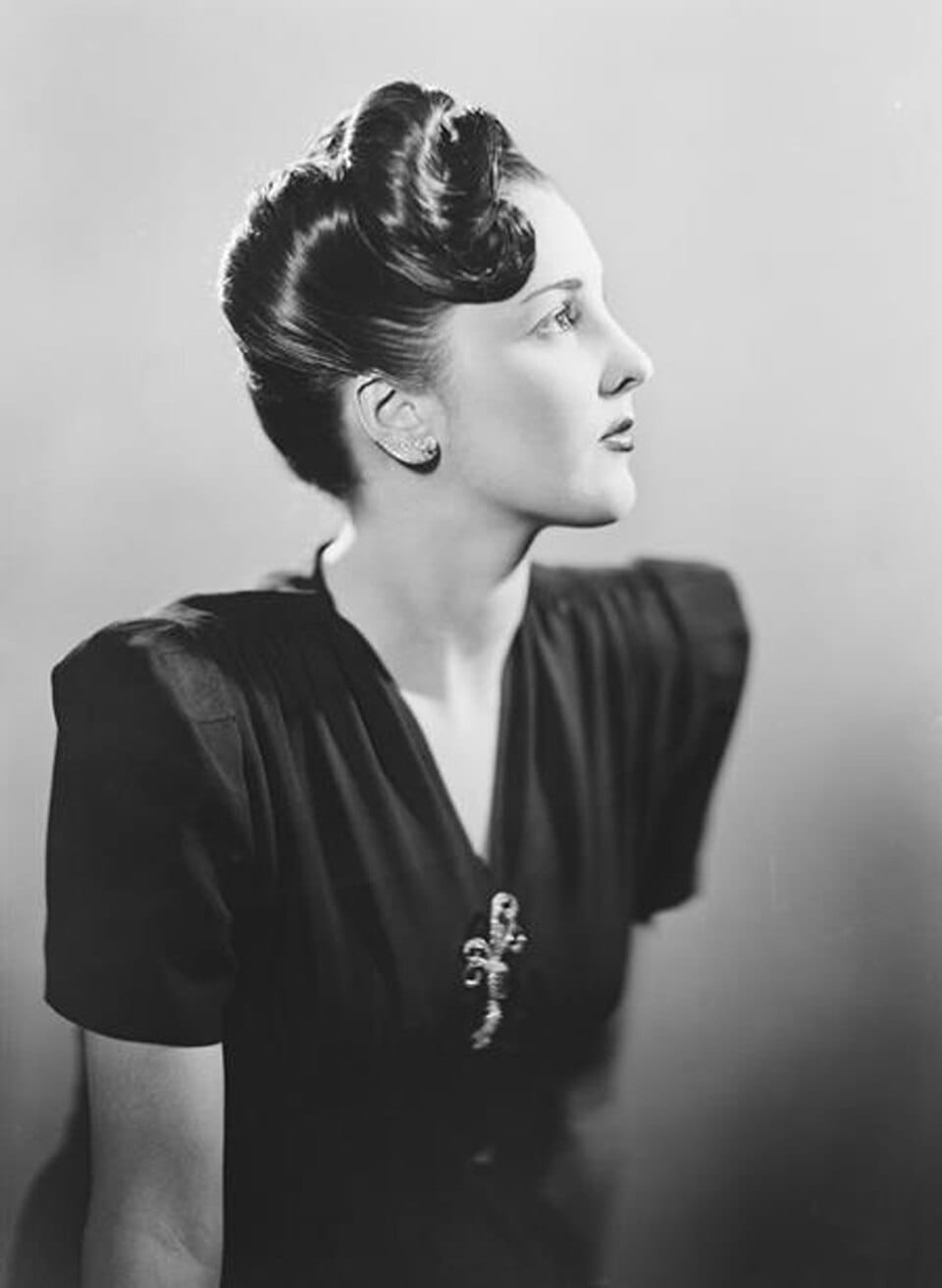
Faiza Rauf by Armand (1)
Armand (Armenak Arzrouni), Arab Image Foundation, Armand Collection; public domain (Wikimedia Commons). Source: Faiza Rauf by Armand (1) at Arab Image Foundation, Armand Collection, via Wikimedia Commons

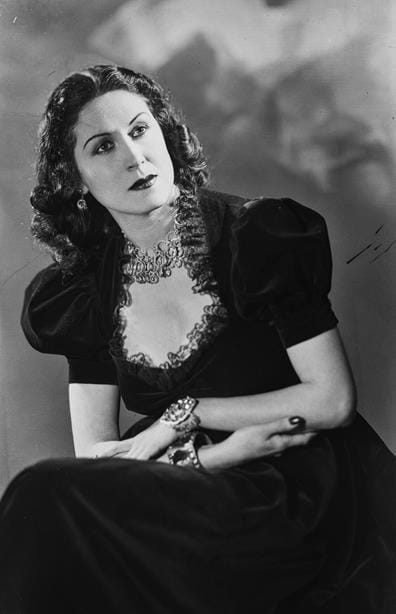
Leila Mourad by Armand (1)
Armand (Armenak Arzrouni), Arab Image Foundation, Armand Collection; public domain (Wikimedia Commons). Source: Leila Mourad by Armand (1) at Arab Image Foundation, Armand Collection, via Wikimedia Commons

Portraits made in Cairo studios, many of them Armenian-run, for a clientele of film stars, dancers, singers, soldiers, aristocrats and families: a woman or man at half or three-quarter length, turned to profile or three-quarter, eyes past the lens, lit by tungsten lamps from the side and above, the head set off against a lit, graded backdrop. Hollywood's glamour was borrowed, but the sitters were Cairo's own, the lighting hot continuous lamps, and the whole print finished and signed by the studio. Sheet film, retouching and darkroom printing; black and white throughout.
Built mostly on one system: Sculpted glamour. What systems are.
Shoot sheet for your kit A prompt for an image model The photographs Its portrait light in the lab
How the look is made
- Light with continuous tungsten lamps: one key from the side and above shaping the face, a hair light, and a separate lamp on the backdrop so the head sits against a glow or a graded tone rather than a black void.
- Turn the sitter away from the lens: a three-quarter or full profile, chin lifted, eyes past the camera, so the neck and jaw draw one line.
- Direct every sitter like an actor: a stage attitude, shaped hands, a dramatic stare for singers and actresses, a smile for the cabaret dancer.
- Work half-length and close, on large sheet film for the portraits you care most about, and keep the sitter still for the long tungsten exposure.
- Retouch the negative and print by hand for glossy hair, even skin and rich blacks, then sign the studio's name or hand the star a credit line to print beneath it.
- Dress the sitter for the part: gown, brooch, pearls, set waves, sculpted lips, or a costume for the studio's own self-portraits.
Shoot sheet for your kit
Fill in your camera, lenses and lights, and the sheet says which light plays each part, what to work around and where to start on your camera. Without a kit it starts on a full-frame camera.
Light
Key: a softbox, about 50° to the camera’s left, high, soft.
Rim or hair light: a spot or bare head, from behind, to the camera’s right, high, hard.
Fill: a softbox, about 35° to the camera’s right, soft.
Background light: a spot or bare head, from behind the subject, soft.
Rim or hair light: a spot or bare head, from behind, to the camera’s left, high, hard.
- Key high: about 30–45° above eye level, angled down.
- Shadow depth
- Dark shadows that still hold some detail (a high lighting ratio, about 4:1 to 8:1: the shadow side two to three stops darker).
- Light on the face
- The light high and about 45° to one side, so the shadows of the nose and cheek meet and leave a small triangle of light on the cheek of the shadow side, under the eye.
- Shape & form
- Light turning gradually into shade across faces and objects, so their volume shows.
- Highlights
- Small, bright glints where the light reflects off wet, oily or polished surfaces: glistening food, dewy skin, the sparkle of jewellery or chrome.
How the style is lit
- A tungsten key lamp high and to one side, with a smaller fill, giving a modelled face and a soft Rembrandt triangle, the sitter held still for a long exposure.
- A hair light from above and behind, and a lamp aimed at the backdrop so it glows or grades from light to dark behind the head.
- Umbrella-diffused lamps for softer, wider light on dancers and weddings (Armand is described as the first in Egypt to use photography umbrellas).
This plan is worked out from the style’s choices, so it is drawn as a schematic. One way to get the light, not a record of how any photograph was lit.
Lens and settings
Start at
On a full-frame camera: the same depth of field and exposure as the style’s own numbers, in the same light. Then meter and adjust.
- The style’s f/13 on 8 × 10 in gives about the depth of field of f/1.8 on full frame.
- Then
- 60–110 mm · f/8–f/22 · 1/10–2 s · ISO 25–100 on 8 × 10 in, inferred from the gear and the look. Documented: Van Leo's 18 × 24 cm sheet film for favoured sittings, 35 mm for lesser ones, and tungsten lamps rather than strobes. The 8 × 10 in format is the nearest in the list to 18 × 24 cm; lens, stop, time and film speed are inferred from slow film under tungsten, and 35 mm work will differ. Shutter 0.1 to 2 s and ISO 25 to 100 are likewise unsourced inferences.
- Focal length
- Roughly the eye’s own perspective; no visible distortion.
- Angle
- The camera at the height of a standing person or of the subject.
- Distance
- Whole figures and their immediate surroundings.
- Balance
- The subject placed off-centre, balanced against open space.
- Duration
- An unmoving scene, exposed slowly and carefully.
Direct
Turn the sitter three-quarter or to full profile, chin lifted, eyes past the lens or on a distant point; a seated, upright body with a long neck and shaped hands at the face, the lap or the collar; the stage-actress attitude for singers and screen stars, a bright smile and a hand in a pocket for dancers, plain frontal poses for passports and families; Van Leo posed himself in costume as a stock genre.
- Body position
- On a chair or stool, back straight, hands and feet placed: the formal sitting.
- Turn to the camera
- Seen from the side, the face or the whole body turned 90° from the lens, like a head on a coin. The body, the head or both turned about 45° from the lens, so one side is nearer the camera and the far ear is hidden.
- Head & gaze
- Eyes off the frame, past the camera or into the distance, as if lost in thought.
- Arms & hands
- Fingers placed on purpose: relaxed and separated, shown edge-on, wrists softly bent, as in ballet, fashion and glamour.
- Line & energy
- Large, readable gestures and attitudes, as on a stage or in a silent film: a feeling or a story acted out. Neck, back and limbs lengthened and toes pointed, so the body draws one long line, as in glamour and dance.
- With the sitter
- The sitter arranged and still, facing the camera. The subject performs for the camera and shapes the picture.
- The set-up
- A scene staged and directed like a film still or a painting.
Style the set
Evening gowns, brooches, drop earrings, pearls and lace; set, glossy waves and rolls, sculpted lips and brows; soldiers in uniform, men in suits; a plain or lit gradient backdrop, sometimes a painted or hazy flower backdrop, with a chair or a prop at most; costumes and props for the studio's own self-portraits.
- Clothes
- Best clothes, jewellery and accessories put on for the studio or the occasion.
- Hair & make-up
- Visible artifice: sculpted brows, strong lips, lashes, contouring and set or sculpted hair.
- Set & props
- A painted, cloth, paper or seamless backdrop behind the subject.
- How much is styled
- Clothes, hair, make-up, props and set all chosen and placed by a team to one idea.
Finish
- Monochrome
- Rich blacks, clean whites and every grey between.
- Film
- A view camera on a tripod: great detail, slow and deliberate.
- Post-production
- Perfected skin and surfaces. Areas lightened and darkened by hand in printing.
- Shown as
- Each picture stands on its own.
Stay away from direct on-camera flash, overcast & flat daylight, candid & unobserved, visible grain, straight print, unseen camera, awkward & in-between, natural face & hair, flat form, deadpan, composite & montage and saturated colour.
Before you shoot it
These are portraits of real, named people (film stars, dancers, royalty, soldiers, writers) and of ordinary clients who commissioned a private picture; the archives at the American University in Cairo and the Arab Image Foundation, and the work of the Armenian-Egyptian studios and their families, carry rights and a community's history of displacement. Van Leo's costume self-portraits include religious and ethnic characters that should not be reproduced as costume. Two or more of the historical specimens depict named real royals and film stars (Princess Fawzia, Leila Mourad, Samia Gamal): they are shown only as attributed historical records, and the style must never be used to imitate those sitters.
A prompt for an image model
No prompt for this style
Behind its pictures: portraits of real named stars, royals and clients from a displaced community, with religious costume.
Its caution asks to credit the studios and never imitate sitters.
These are portraits of real, named people and of ordinary clients who commissioned a private picture. Two or more of the historical specimens depict named real royals and film stars: they are shown only as attributed historical records, and the style must never be used to imitate those sitters.
Work with photographers of this tradition, or take only its light and lens (the shoot sheet above) without its people, places or rituals.
Photographs that define it
From open collections, shown whole with their credits. Later photographs are linked, not shown, while they are in copyright.
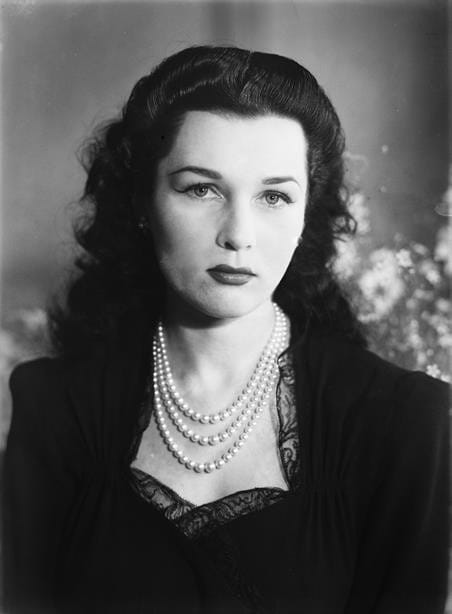
Princess Fawzia Fuad of Egypt by Armand
Armand (Armenak Arzrouni), Arab Image Foundation, Armand Collection; public domain (Wikimedia Commons). Source: Princess Fawzia Fuad of Egypt by Armand at Arab Image Foundation, Armand Collection, via Wikimedia Commons

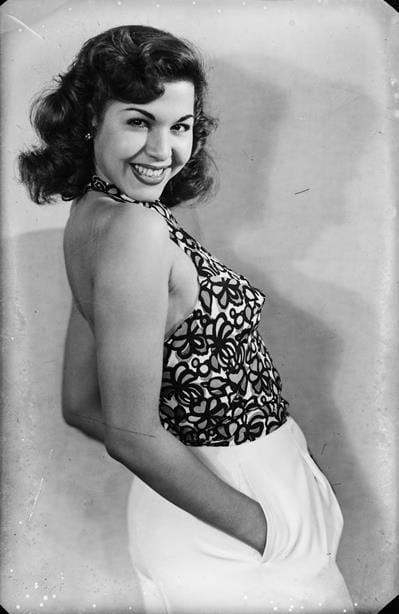
Samia Gamal by Armand (1)
Armand (Armenak Arzrouni), Arab Image Foundation, Armand Collection; public domain (Wikimedia Commons). Source: Samia Gamal by Armand (1) at Arab Image Foundation, Armand Collection, via Wikimedia Commons

With other styles
Pairs with Hollywood glamour portraiture. Start from its butterfly-and-rim lighting, then open the backdrop into a lit glow, turn the sitter to profile and move from hard strobe to tungsten for the Cairo variant.
The opposite: Malian studio portraiture. Both are commissioned studio portraits; here one sitter is sculpted by lamps against a plain glow, there the whole client stands in flat light against a pattern, so decide whether the picture flatters a face or presents a person.
Pairs with Carte-de-visite studio portraits. A studio's name stamped on every print and a roster of sitters (soldiers, stars, families) are the commercial habit both share.
Sources
- Van Leo, Wikipedia: https://en.wikipedia.org/wiki/Van_Leo (born 1921, studio opened January 1941 with his brother Angelo, own name from 1947, last session 24 January 1998; soldiers, opera performers, free celebrity portraits; 35 mm for minor subjects, 18 × 24 cm sheet film for favoured ones; black and white, no colour, no strobes, tungsten lighting; about 400 self-portraits; archive bequeathed to the American University in Cairo, a subset at the Arab Image Foundation; Studio Venus, Artinian, named as a contemporary)
- Armand (photographer), Wikipedia: https://en.wikipedia.org/wiki/Armand_(photographer) (Armenak Arzrouni, 1901–1963; Zola's assistant from 1925, trained in colourisation, airbrushing and charcoal and chalk; studio 1930 on Midan Mustafa Kamel, second studio 1956 on Talaat Harb Street; politicians, film stars, cabaret dancers, royals; first in Egypt to use photography umbrellas; son continued)
- Alban, Aram, Lusarvest: https://www.lusarvest.org/practitioners/alban-aram/ (apprenticed in Alexandria, studio there by 1910, Brussels and Paris in the 1920s, returned to Egypt and settled his business in Cairo in 1940; died 1961; fashion, theatre, film and nobility; works held by the Met, the Lusadaran foundation, AUC and the Arab Image Foundation)
- Artsruni, Armenak. Studio Armand, Lusadaran: http://lusadaran.org/artists/artsruni-armenak-studio-armand/ (NOT VERIFIED, not fetched; an alternative date for the studio's opening, the late 1930s)
- The celebrated Arab photographer who redefined portraiture, Huck: https://www.huckmag.com/article/celebrated-arab-photographer-redefined-portraiture-egyptian-lebanon-armenian (NOT VERIFIED, not fetched; secondary, Armenian-run studios in Cairo; Armand, Alban, Van Leo)
- Portraits du Caire: Van Leo, Armand, Alban, Arab Image Foundation and Actes Sud, 1999 (named in the search result summary; not opened)
- Faiza Rauf by Armand, Wikimedia Commons: https://commons.wikimedia.org/wiki/File:Faiza_Rauf_by_Armand_(1).jpg (Arab Image Foundation, Armand Collection; public domain, PD Egypt) The public-domain status rests on the Commons PD-Egypt tag (Law 82 of 2002), an uploader's claim; the AIF may assert rights.