Systems
22 sets of choices that photographers make together, again and again, in styles that never met. Every style here is built on one or a few of them.
Event reportage
The moment in the crowd: 35 mm black and white with hard contrast, the decisive instant frozen or blurred by fast motion, people absorbed in a task or acting together, uniforms, candid and on a diagonal.
Styles built on it: New York street photography, Picture-magazine photo essay, French humanist photography, New Vision, Drum magazine photography, Mexican modernist photography, Swinging London fashion photography and Fotoclubismo (Escola Paulista).
Most used in the 1960s.
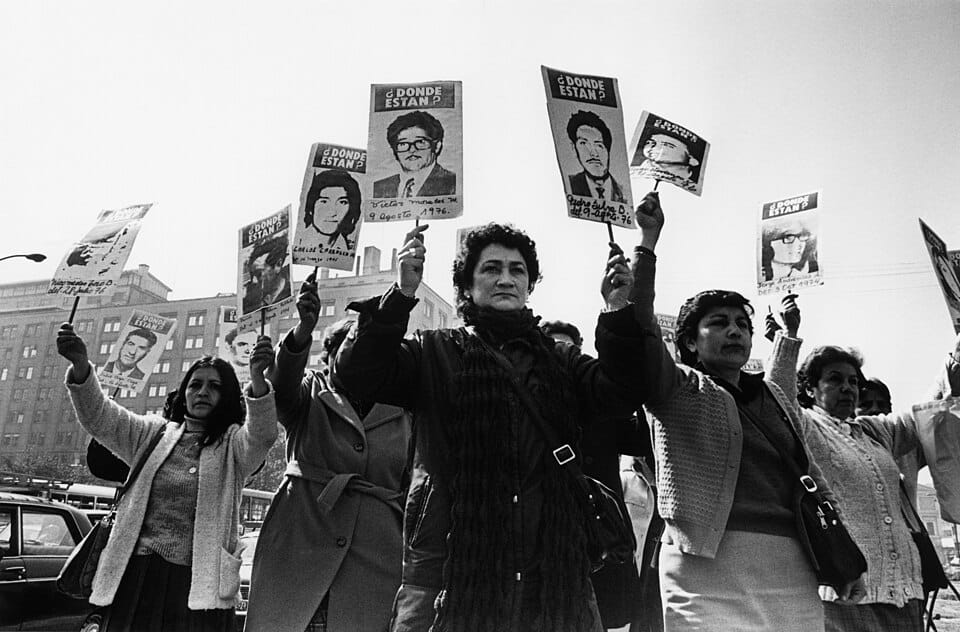
Kena Lorenzini, donated to the Museo de la Memoria y los Derechos Humanos; CC BY-SA 3.0 via Wikimedia Commons. Source: Agrupación de Familiares de Detenidos Desaparecidos de Chile at Museo de la Memoria y los Derechos Humanos, Santiago, via Wikimedia Commons

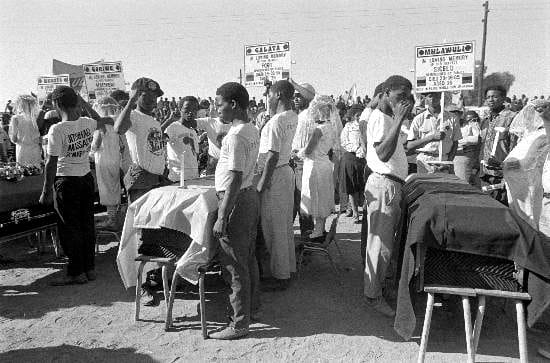
Gille de Vlieg, Funeral of the Cradock Four, presumably 20 July 1985; South African History Archives, CC BY 4.0 via Wikimedia Commons. Source: Funeral of the Cradock Four at South African History Archives, via Wikimedia Commons

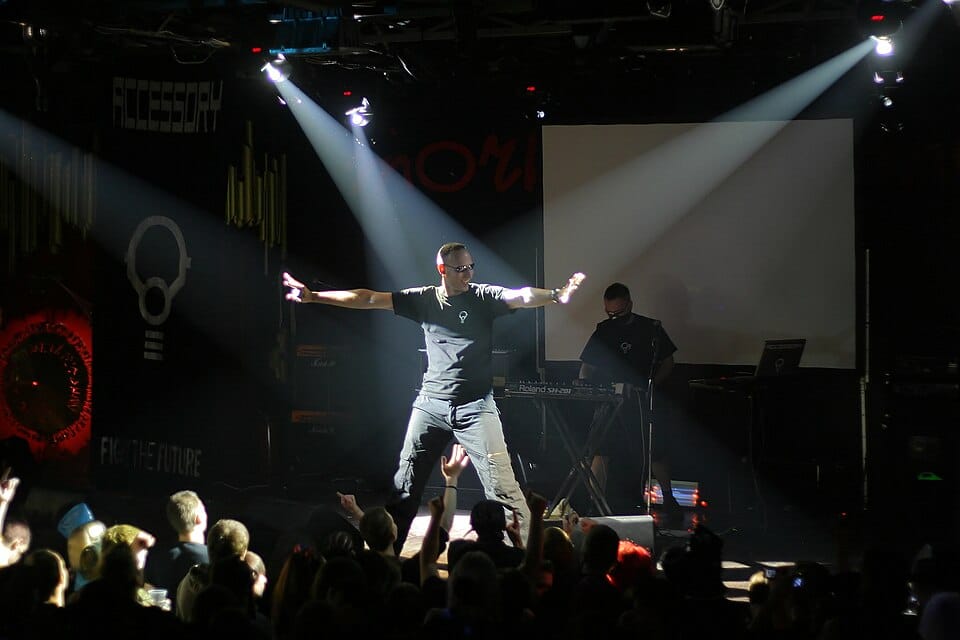
Shansov.net, via Wikimedia Commons, CC BY-SA 3.0. Source: Accessory live at the Tochka club, Moscow at Wikimedia Commons

Painted studio
The studio portrait as a formal record: the sitter square-on, seated upright or standing straight, hands at rest and face composed, in their best, traditional or ceremonial dress among the studio’s props and objects of status.
Styles built on it: Malian studio portraiture, Carte-de-visite studio portraits, New Objectivity photography, Indian painted photographs, Staged identity portraits (She Who Tells a Story), Ethiopian imperial court and Addis Ababa studio photography, Ghanaian studio portraiture and painted fantasy backdrops and Marubi studio photography (Shkodër).
Most used in the 1890s.
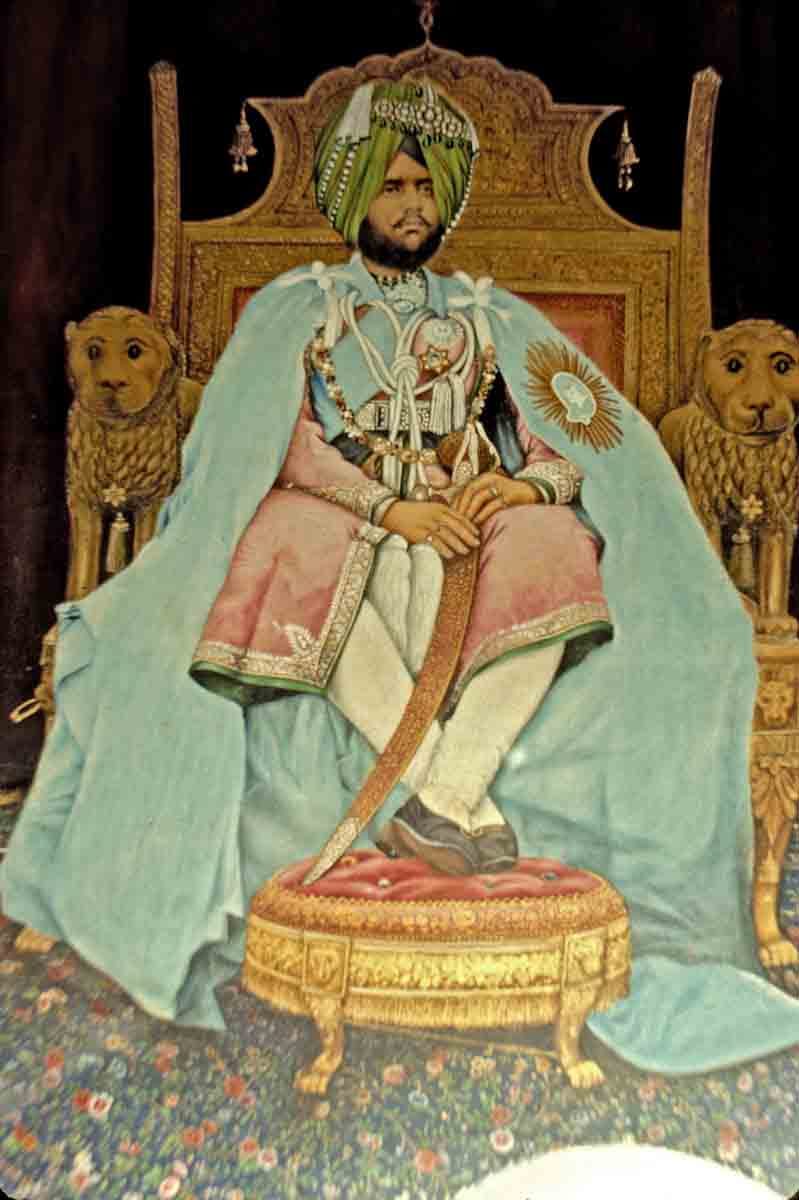
Unknown artist, Overpainted photograph of Maharaja Mohinder Singh of Patiala enthroned, late 19th century. Kenneth Robbins Collection; ACSAA slide 15084, via Wikimedia Commons (public domain). Source: Overpainted photograph of Maharaja Mohinder Singh of Patiala (or his son Rajendra Singh) enthroned at Wikimedia Commons (ACSAA slide of the Kenneth Robbins Collection, University of Michigan Visual Resources Collections)

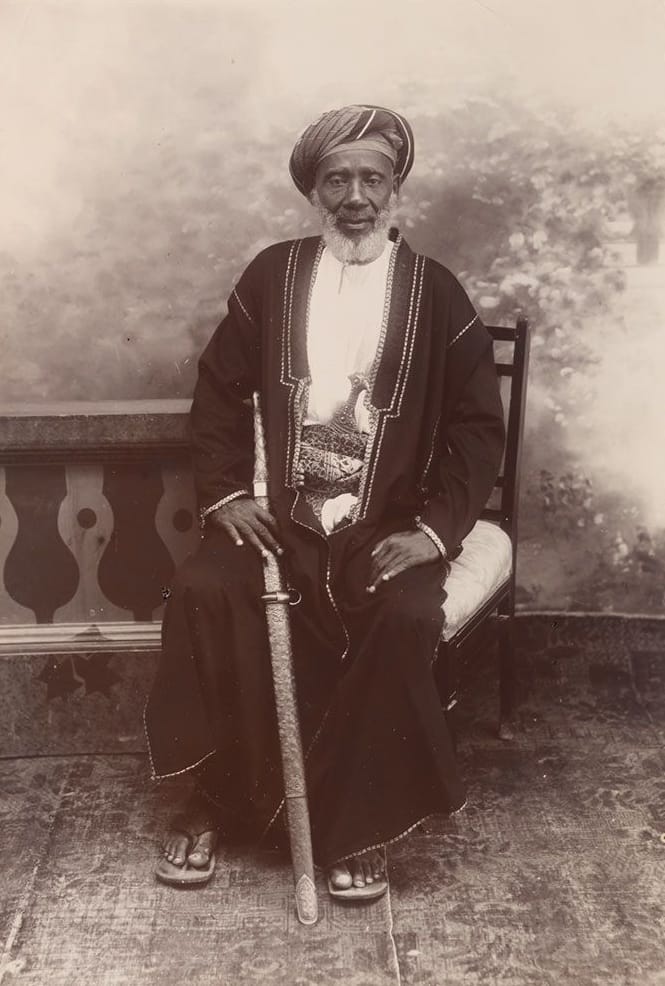
Coutinho Brothers, Zanzibar, c. 1890. Wikimedia Commons, public domain (published before 1931). Source: Portrait of Tippu Tip (Hamad bin Muhammad el Murjebi) at Wikimedia Commons

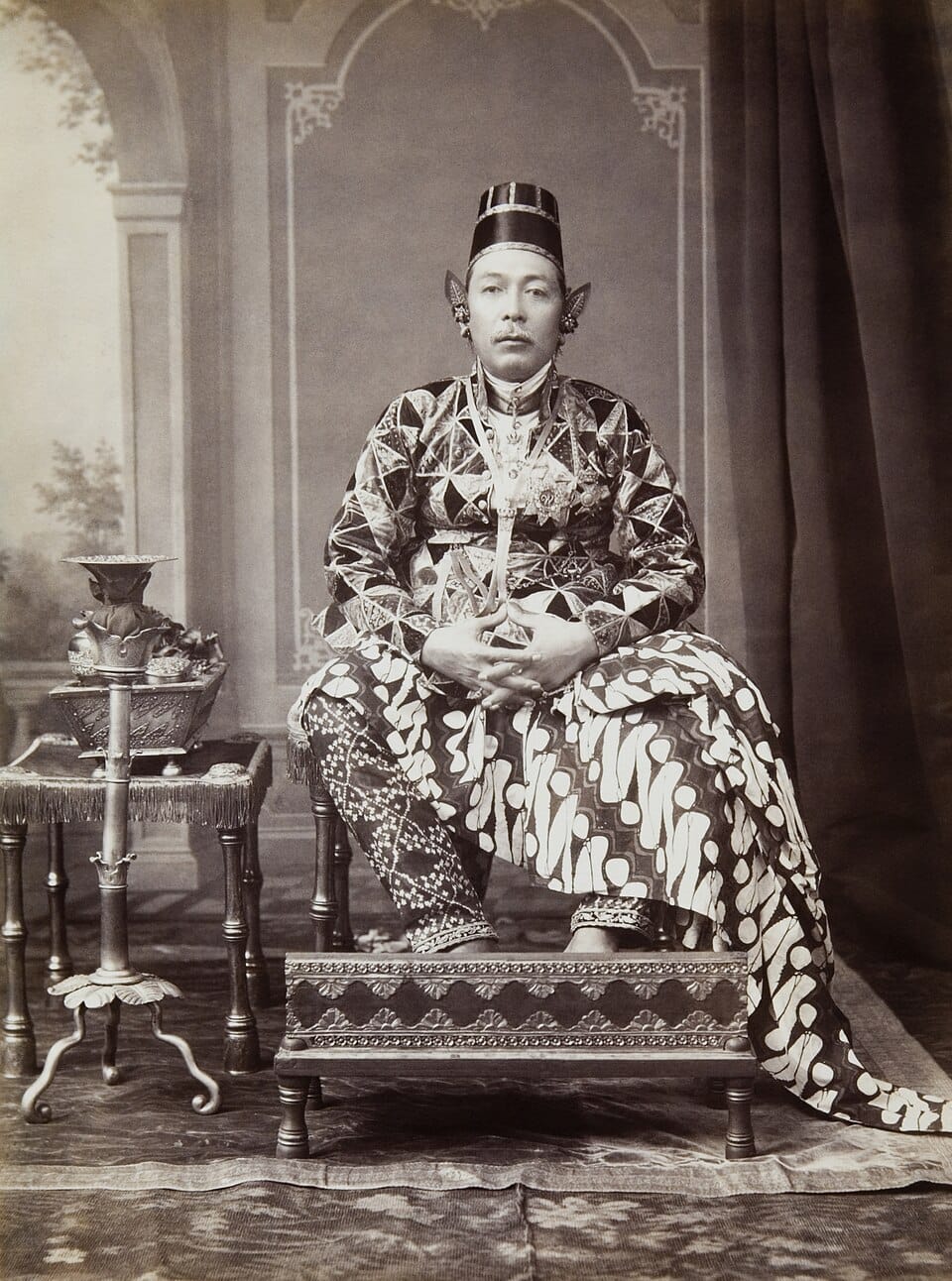
Kassian Cephas, Studioportret van Hamengku Buwana VII, between 1870 and 1890. Tropenmuseum TMnr 60001455b, CC BY-SA 3.0, via Wikimedia Commons. Source: Studioportret van Hamengku Buwana VII, Sultan van Jogjakarta at Tropenmuseum (TMnr 60001455b), via Wikimedia Commons

Wide horizon
The land from far off or from above: a clean digital landscape split by the horizon, highlights held in sky and water, plants and animals small in open space, nobody in the picture.
Styles built on it: Straight photography, Drone top-down photography, Milky Way nightscape photography, Cappadocia balloon sunrise photography (descriptive grouping), Underwater photography, Rooftopping photography, Heroic Age polar expedition photography and Tiny-planet photographic panoramas.
Most used in the 2020s.
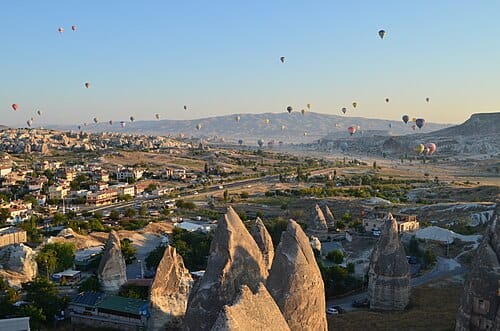
Rumeysaraz, Air Balloons and Rock Sites of Cappadocia at sunrise, 6 September 2015, Wikimedia Commons, CC BY-SA 4.0. Source: Air Balloons and Rock Sites of Cappadocia at sunrise at Wikimedia Commons

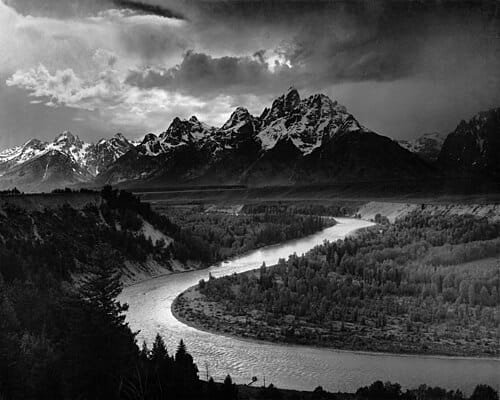
Ansel Adams, The Tetons and the Snake River, 1942. National Archives, Records of the National Park Service (79-AAG-1). Source: The Tetons and the Snake River at U.S. National Archives and Records Administration, Records of the National Park Service
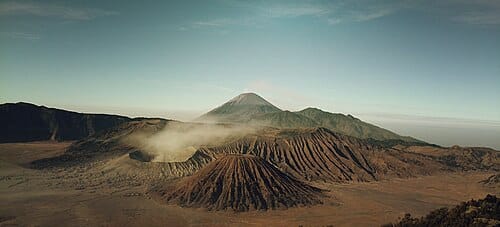
Startup Stock Photos / www.Pixel.la Free Stock Photos, Processed with VSCOcam. CC0, via Flickr and Wikimedia Commons. Source: Processed with VSCOcam (volcanic caldera at dawn, panorama) at Wikimedia Commons (from Flickr)

Flash snapshot
Friends and lovers at home, close and relaxed: the snapshot’s timing in a lived-in room, everyday clothes, colour negative or 35 mm, often a direct on-camera flash and a flat, unretouched print.
Styles built on it: Diaristic snapshot photography, Picture-magazine photo essay, New Color photography, French humanist photography, FSA/OWI documentary photography, Everyday colour-negative film revival, Drum magazine photography and TAFOS participatory social photography.
Most used in the 1990s.
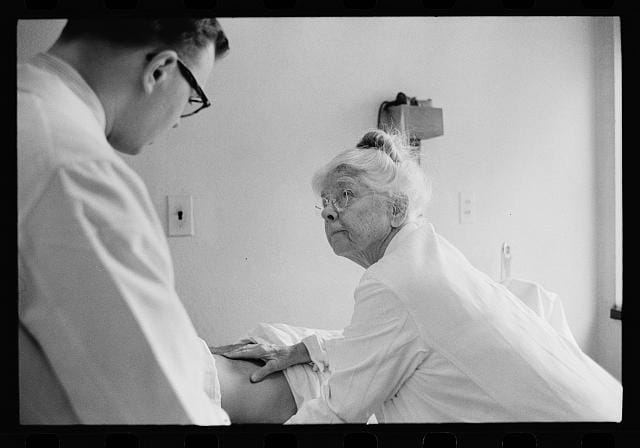
Charlotte Brooks, photographer, LOOK Magazine Photograph Collection, Library of Congress, Prints & Photographs Division, LC-L9-61-9268-BB, no. 15 (LC-DIG-ppmsca-09460). Source: [Dr. Connie M. Guion, a 79-year-old female physician, examining a patient] at Library of Congress, Prints and Photographs Division, LOOK Magazine Photograph Collection
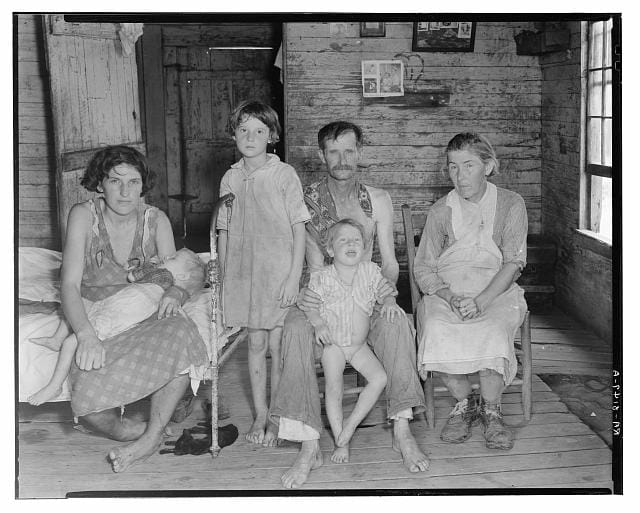
Walker Evans for the Farm Security Administration. Library of Congress, Prints and Photographs Division, LC-DIG-fsa-8c52407. Source: Sharecropper Bud Fields and his family at home, Hale County, Alabama at Library of Congress, Prints and Photographs Division, FSA/OWI Collection
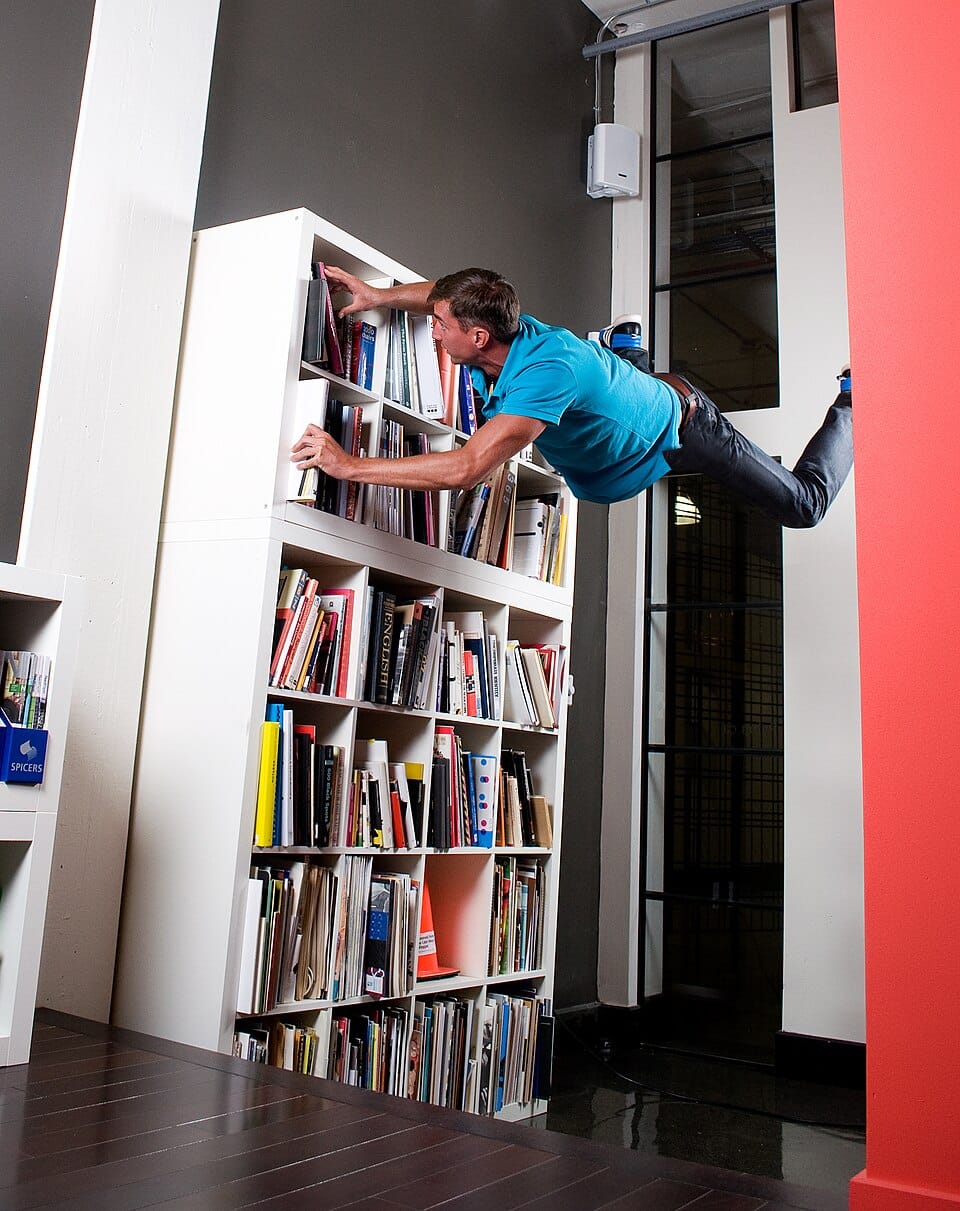
Colin Payson, Just looking for a book, 2011 (CC BY 2.0, via Wikimedia Commons). Source: Just looking for a book at Wikimedia Commons (from Flickr)

Rough and unseen
The camera nobody notices, in the dark: available light at night, a tilted frame, a toy, compact or surveillance camera, motion blur, black shadows, vignetting, heavy grain and sensor noise.
Styles built on it: Provoke and are-bure-boke, New York street photography, Diaristic snapshot photography, Lomographic lo-fi snapshot aesthetic, Y2K digicam and flash revival, Staged CCTV fashion photography, Camera-trap wildlife photography and Green image-intensifier night-vision photography.
Most used in the 1990s.
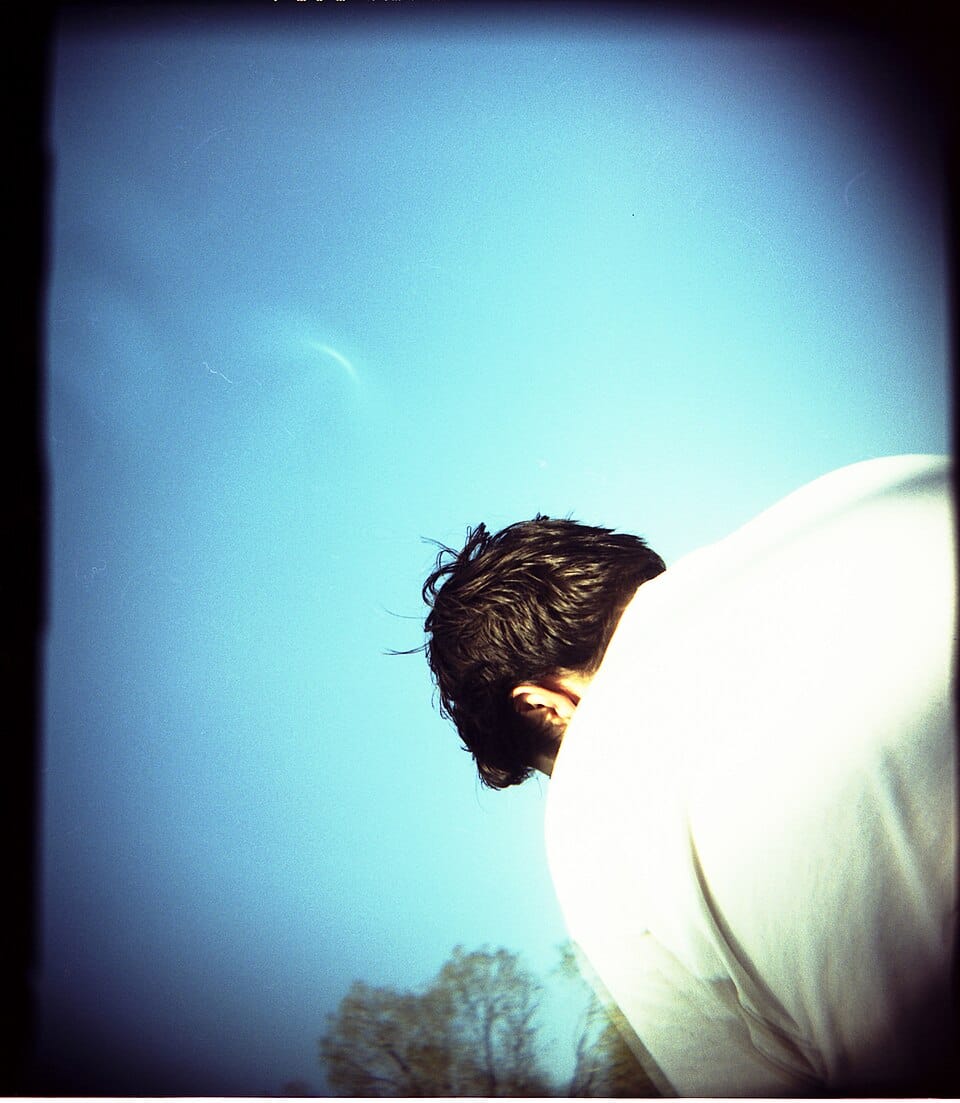
Clngre, Holga sample, Wikimedia Commons, CC BY-SA 3.0. Source: Holga sample photograph at Wikimedia Commons

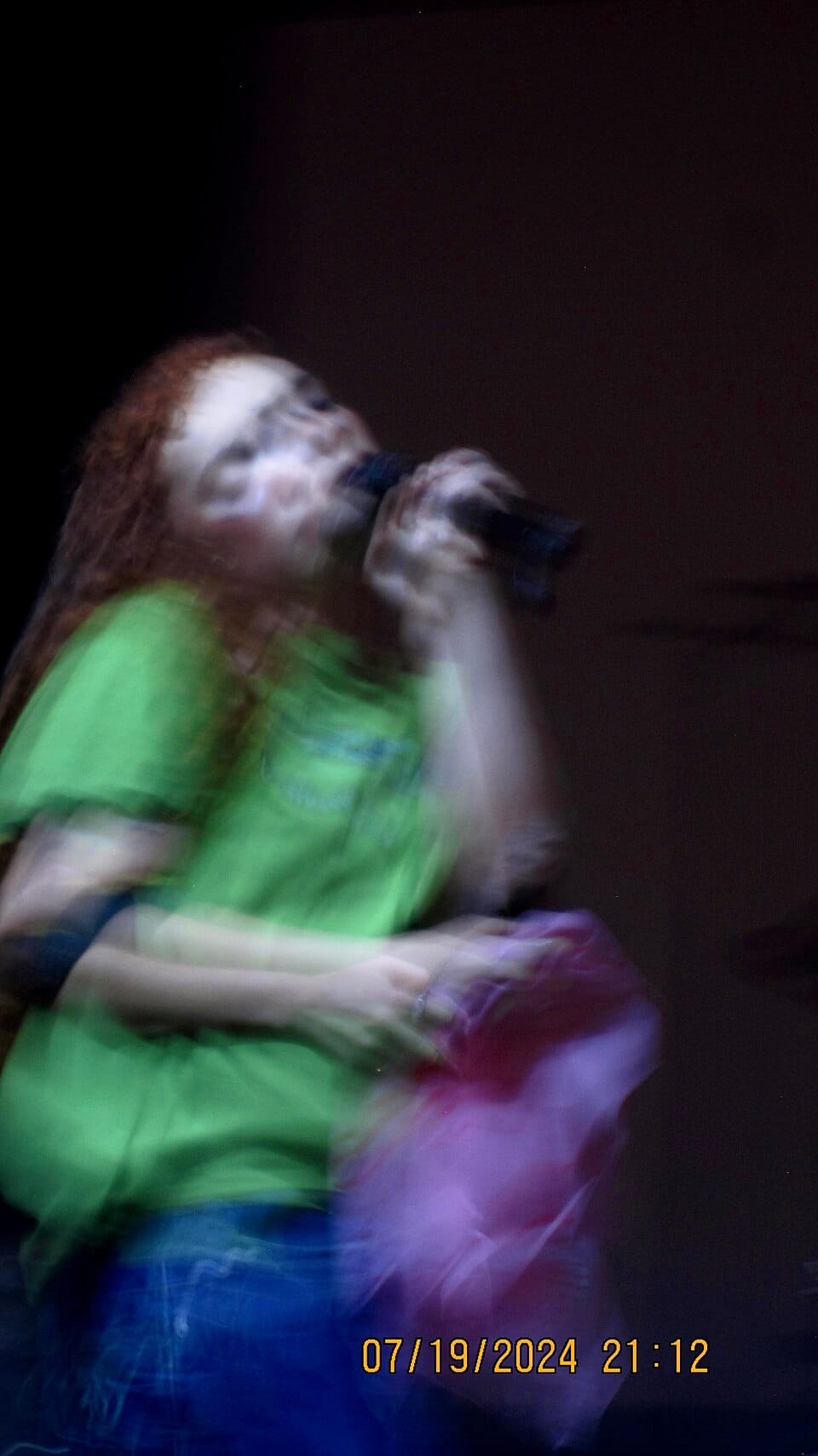
Junefreund, Chappell Roan at Capitol Hill Block Party (July 19, 2024) - blurry digicam photo. Wikimedia Commons, CC BY 4.0. Source: Chappell Roan at Capitol Hill Block Party (July 19, 2024) - blurry digicam photo at Wikimedia Commons

Pictorial print
Soft focus, haze and mist, printed by hand in platinum or gum, dodged, burnt and toned: a quiet, lyrical picture made like a painting, often of someone absorbed in a task.
Styles built on it: Pictorialism, French humanist photography, Chinese salon photography, Russian pictorialism, Sydney Camera Circle: sunlight-and-shadow pictorialism, Camera Club of the Philippines salon photography, Bhedwar-era Indian studio tableau pictorialism and La Bussola high-key lyrical photography.
Most used in the 1920s.
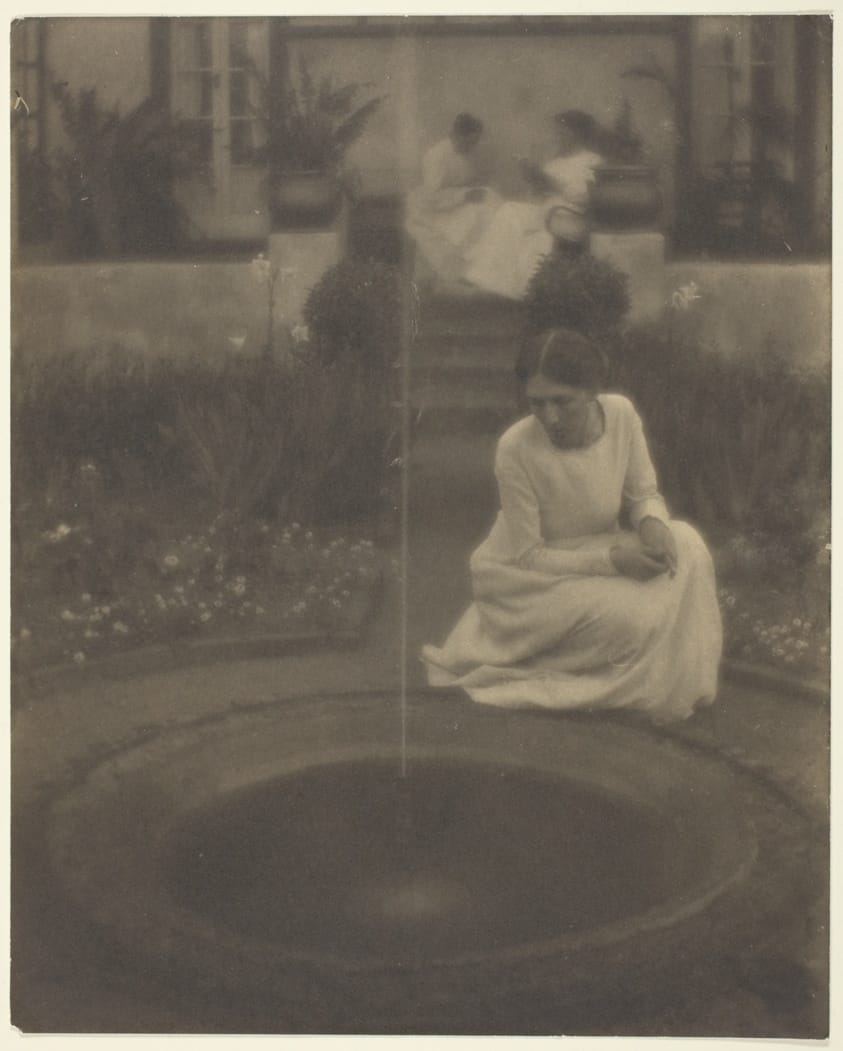
Clarence H. White, The Fountain, 1905/06. Art Institute of Chicago, Alfred Stieglitz Collection. Source: The Fountain at Art Institute of Chicago
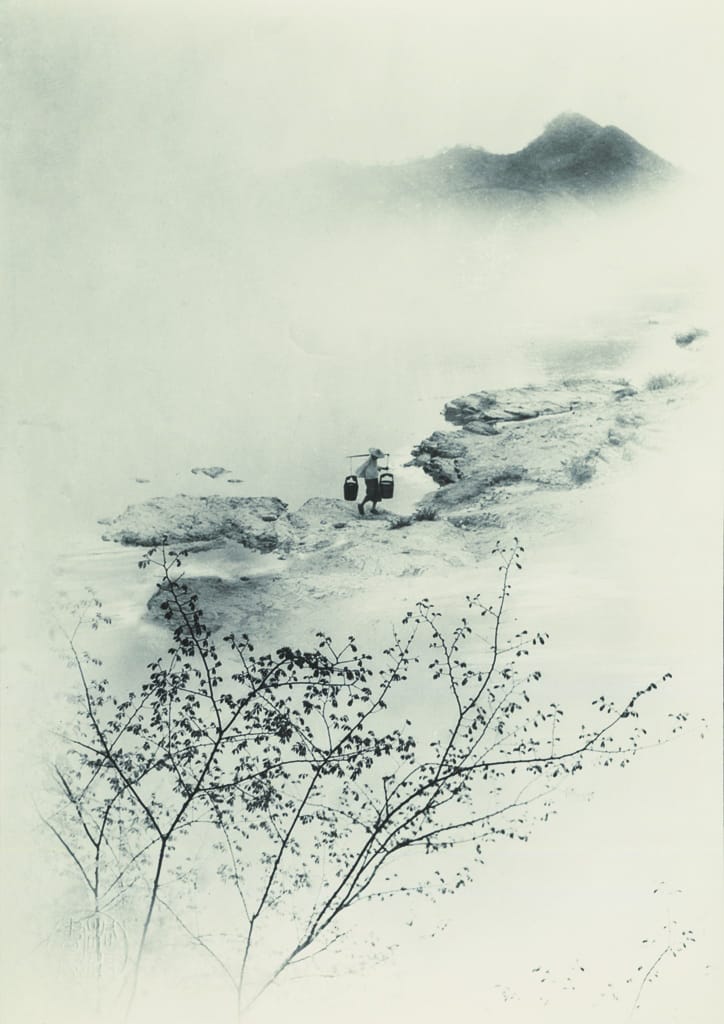
Lang Jingshan, Drawing Water from the River at Dawn, 1934. Wikimedia Commons, tagged public domain in China and the United States (PD-China-1996). Source: Drawing Water from the River at Dawn at Wikimedia Commons

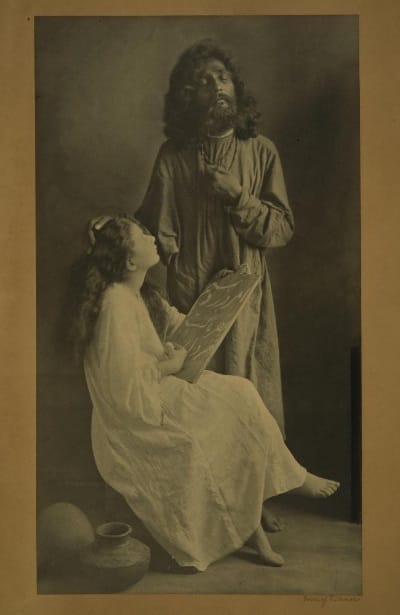
Shapoor N. Bhedwar, Force of Silence, 1891. Asian Art Museum, San Francisco; Public Domain Mark via Wikimedia Commons. Source: Force of Silence at Asian Art Museum, San Francisco (Collection of William K. Ehrenfeld, M.D., 2005.64.144)

Deadpan document
Frontal, level and corrected, sharp from front to back, without shadow and without opinion: altered land, buildings and objects shown plainly and repeated as a typology.
Styles built on it: New Topographics, Conceptual photography, Düsseldorf School of Photography, New Objectivity photography, New Color photography, Viaggio in Italia everyday landscape, Industrial construction-progress photography and Spomenik: contemporary Yugoslav memorial photography.
Most used in the 1870s.
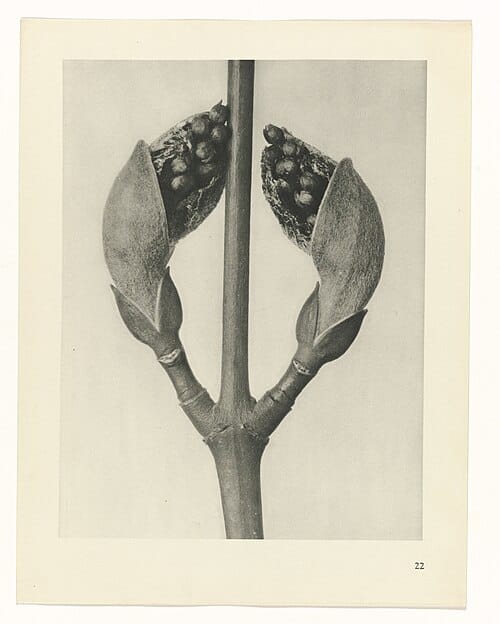
Karl Blossfeldt, Plantstudie, plate 22 of Urformen der Kunst, Ernst Wasmuth, Berlin, 1928. Rijksmuseum, Amsterdam (RP-F-2008-51-2170-22), public domain. Source: Plantstudie (Urformen der Kunst, plate 22) at Rijksmuseum
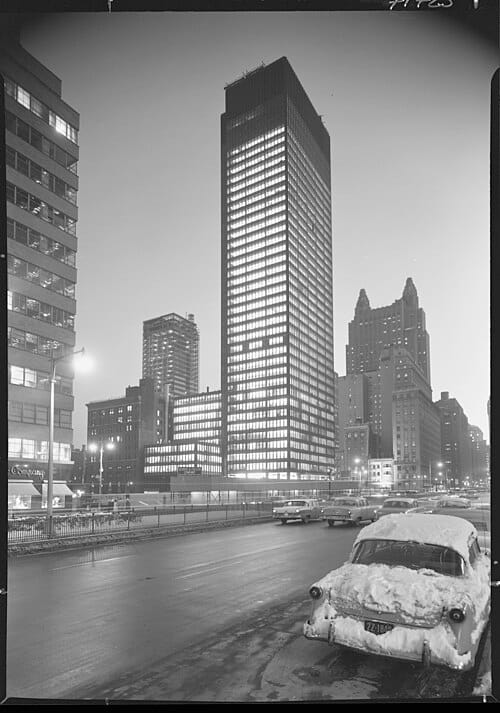
Gottscho-Schleisner, Seagram Building, New York, 1958. Library of Congress, Prints & Photographs Division, Gottscho-Schleisner Collection (gsc.5a16908); public domain, placed in the public domain by the photographers' heirs. Source: Seagram Building at Library of Congress, Prints & Photographs Division, Gottscho-Schleisner Collection (via Wikimedia Commons)

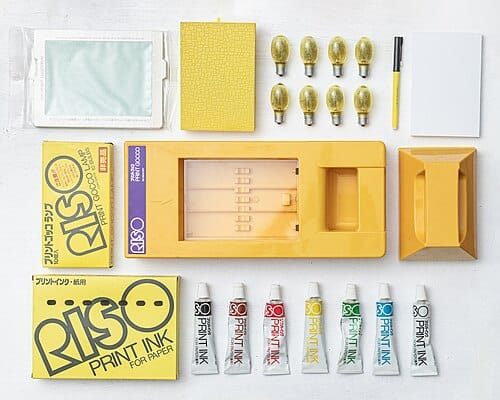
Chive Cream Cheese, RisoArrangement, 2023. CC BY-SA 4.0, via Wikimedia Commons. Source: RisoArrangement (a knolling of the Print Gocco B6 set) at Wikimedia Commons

Sweet retouch
Pretty, bright and perfected: polished hair and make-up, high-key pastel light with catchlights in the eyes, a smile or a cute face with the head tilted, shallow depth of field and heavy retouching on a clean digital file.
Styles built on it: Light and airy, Glossy beauty retouch, Swinging London fashion photography, Korean profile studio photography, Japanese gravure idol photography, K-pop fansite (homma) photography, East Asian pre-wedding photography and Purikura photo-sticker booth.
Most used in the 2010s.
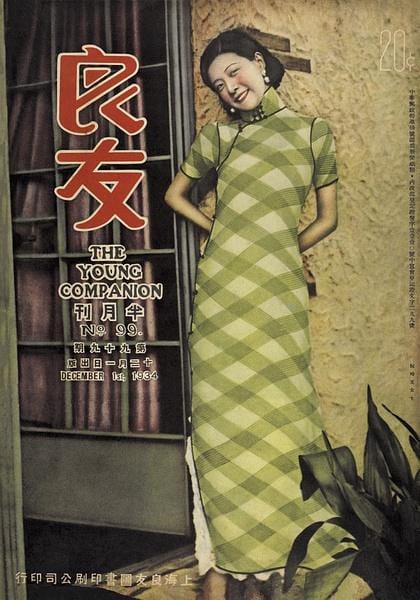
Cover of Liangyou (The Young Companion) no. 99, 1 December 1934, Liang You Printing and Publishing Co., Shanghai. Wikimedia Commons, tagged public domain in China and the United States. Source: Cover of Liangyou no. 99, featuring Ruan Lingyu at Wikimedia Commons

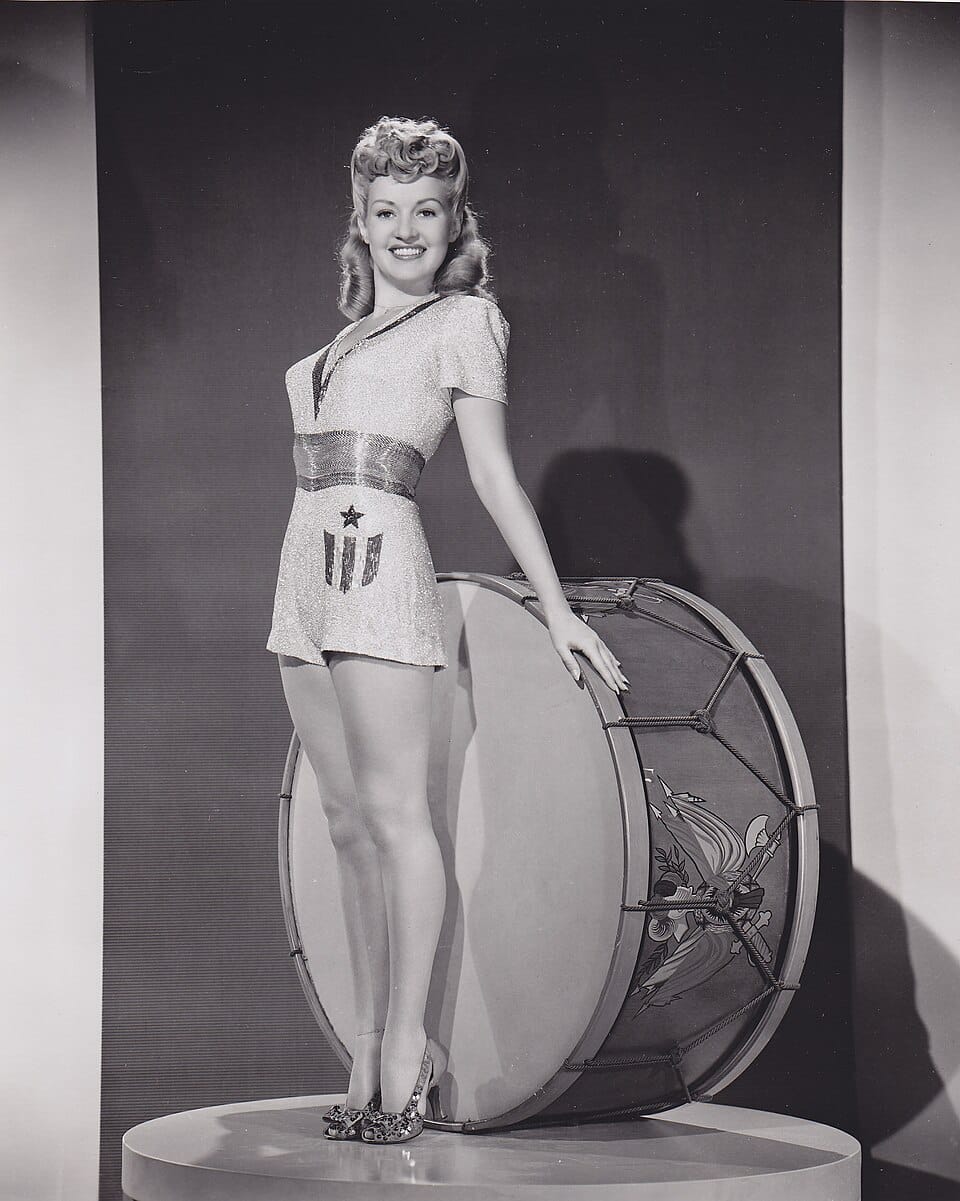
Yank, the Army Weekly, 25 June 1943, via Wikimedia Commons (tagged public domain as a U.S. Army work; it looks like a studio publicity print reproduced in Yank, so that basis is doubtful and it may still be protected outside the US). Source: Betty Grable, pin-up photograph for Yank, the Army Weekly at Wikimedia Commons (U.S. Army, Yank)


ChenTim0602, 紀艾希 Ring, 2017. CC BY-SA 2.0, via Flickr and Wikimedia Commons. Source: 紀艾希 Ring at Wikimedia Commons (from Flickr)

Plate portrait
The sitter held still for a plate: a direct positive on metal or glass, a natural, neutral face in a formal posed portrait, rounded modelled form in fine detail, with scratches, dust and the plate's edge left in.
Styles built on it: Daguerreotype portraiture, Straight photography, FSA/OWI documentary photography, Wet-plate collodion revival, Tintype and ferrotype portraiture, Reflected-ultraviolet portraiture, Afghan box-camera identity portraiture and Old Master painterly portraiture.
Most used in the 1830s.
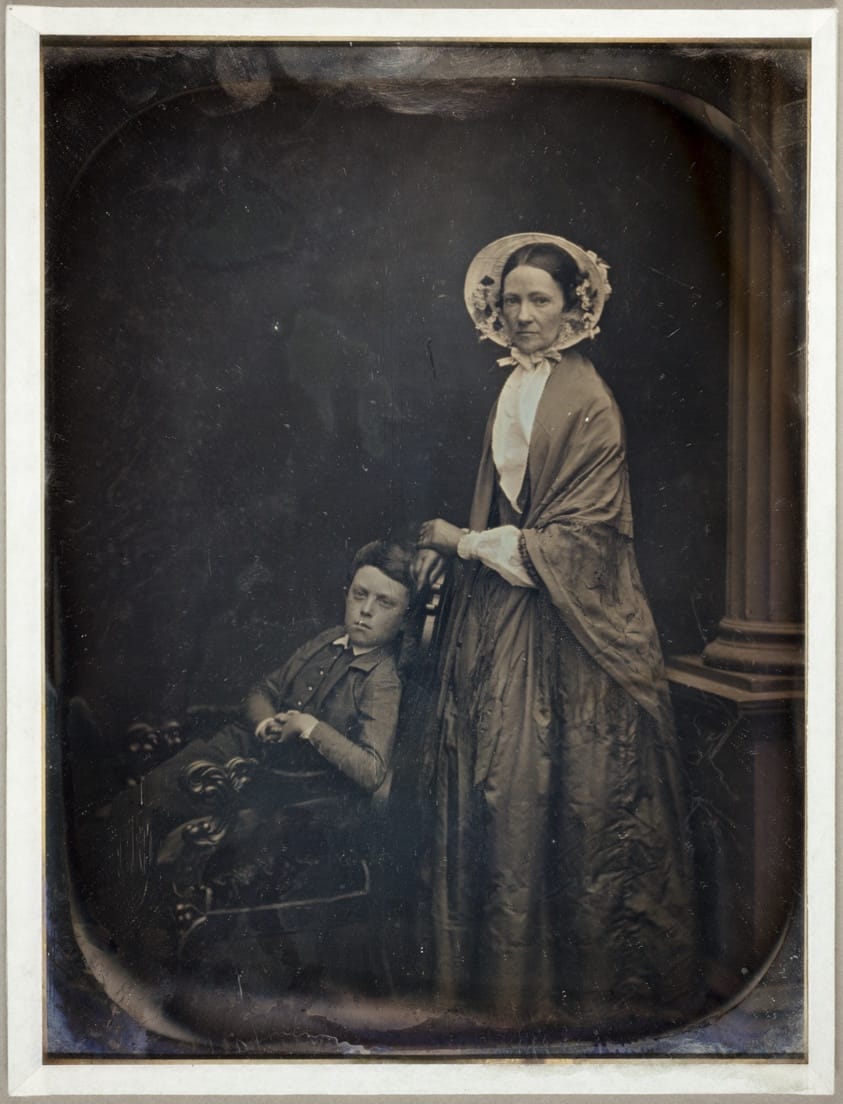
Southworth & Hawes, Untitled (A Woman in Bonnet and Shawl, with her Seated Son), c. 1850. Art Institute of Chicago, Gift of the Leonian Charitable Trust. Source: Untitled (A Woman in Bonnet and Shawl, with her Seated Son) at Art Institute of Chicago
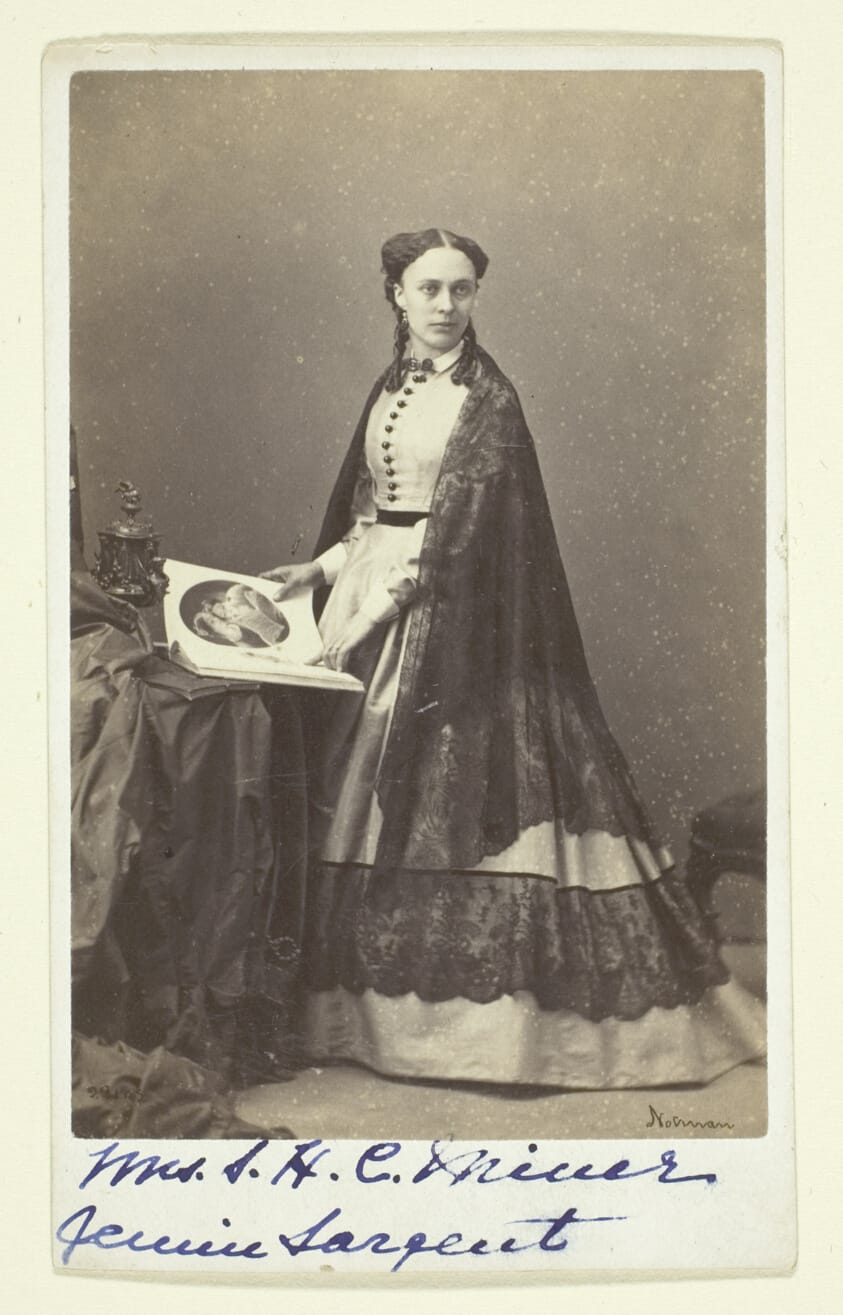
William Notman, Mrs. S. H. C. Miner. Art Institute of Chicago, Gift of Harold Allen. Source: Mrs. S. H. C. Miner at Art Institute of Chicago
Walker Evans for the Farm Security Administration. Library of Congress, Prints and Photographs Division, LC-DIG-fsa-8c52407. Source: Sharecropper Bud Fields and his family at home, Hale County, Alabama at Library of Congress, Prints and Photographs Division, FSA/OWI Collection
Styled tabletop
Food and things seen from above, laid out with curated props on a planned, muted palette, perfectly imperfect, with hands entering the frame and space left empty, then finished with a preset.
Styles built on it: Dark and moody food photography, Flat lay, VSCO film-preset look, Autochrome colour photography, Cake-smash birthday portraiture, Nordic slow-living editorial, Cottagecore pastoral photography and Floating food photography.
Most used in the 2010s.
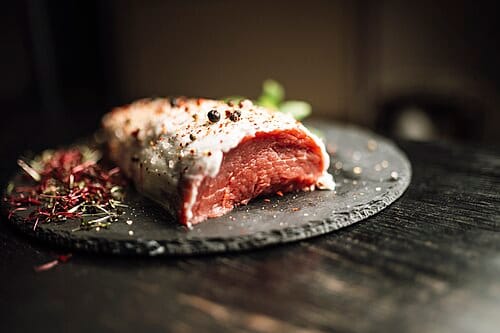
Shixart1985, Fresh cut beef on a black plate surrounded by herbs and spices, 2025. CC BY 2.0, via Wikimedia Commons. Source: Fresh cut beef on a black plate surrounded by herbs and spices at Wikimedia Commons

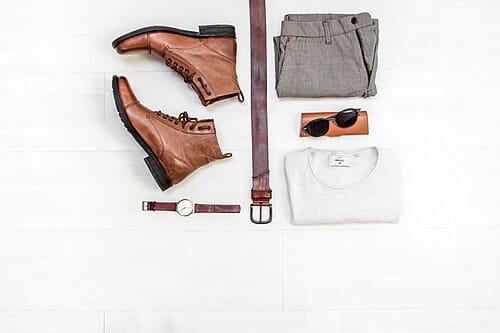
NordWood Themes, Clothing flatlay, 2016. CC0, via Unsplash and Wikimedia Commons. Source: Clothing flatlay at Wikimedia Commons (from Unsplash)

Costumed tableau
Everything made for the picture: costumes, props and a set built or chosen, people acting out a part under several lights, often composited or told as a sequence.
Styles built on it: Staged tableau photography, Victorian combination printing, Staged identity portraits (She Who Tells a Story), Sacred and camp photographic tableaux (curatorial grouping), Pasifika decolonial staged portraiture, Fotonovela (photo-romance), Afrofuturist staged photographic portraiture and Nepali experimental studio portraiture (1970s-1980s).
Most used in the 2000s.
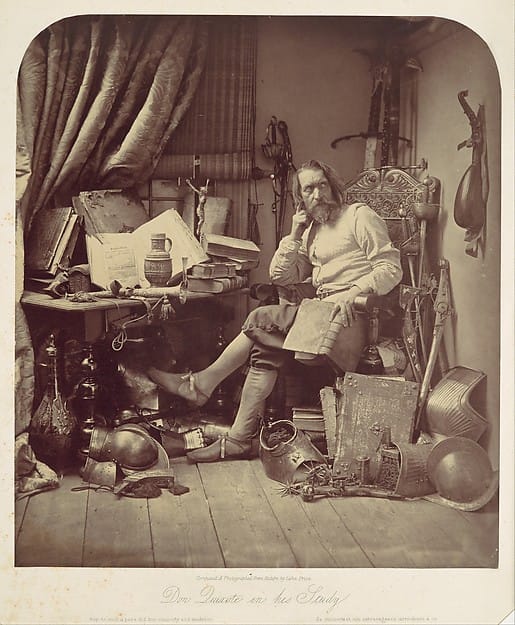
William Frederick Lake Price, Don Quixote in His Study, 1857. The Metropolitan Museum of Art, Gift of A. Hyatt Mayor, 1969. Source: Don Quixote in His Study at The Metropolitan Museum of Art
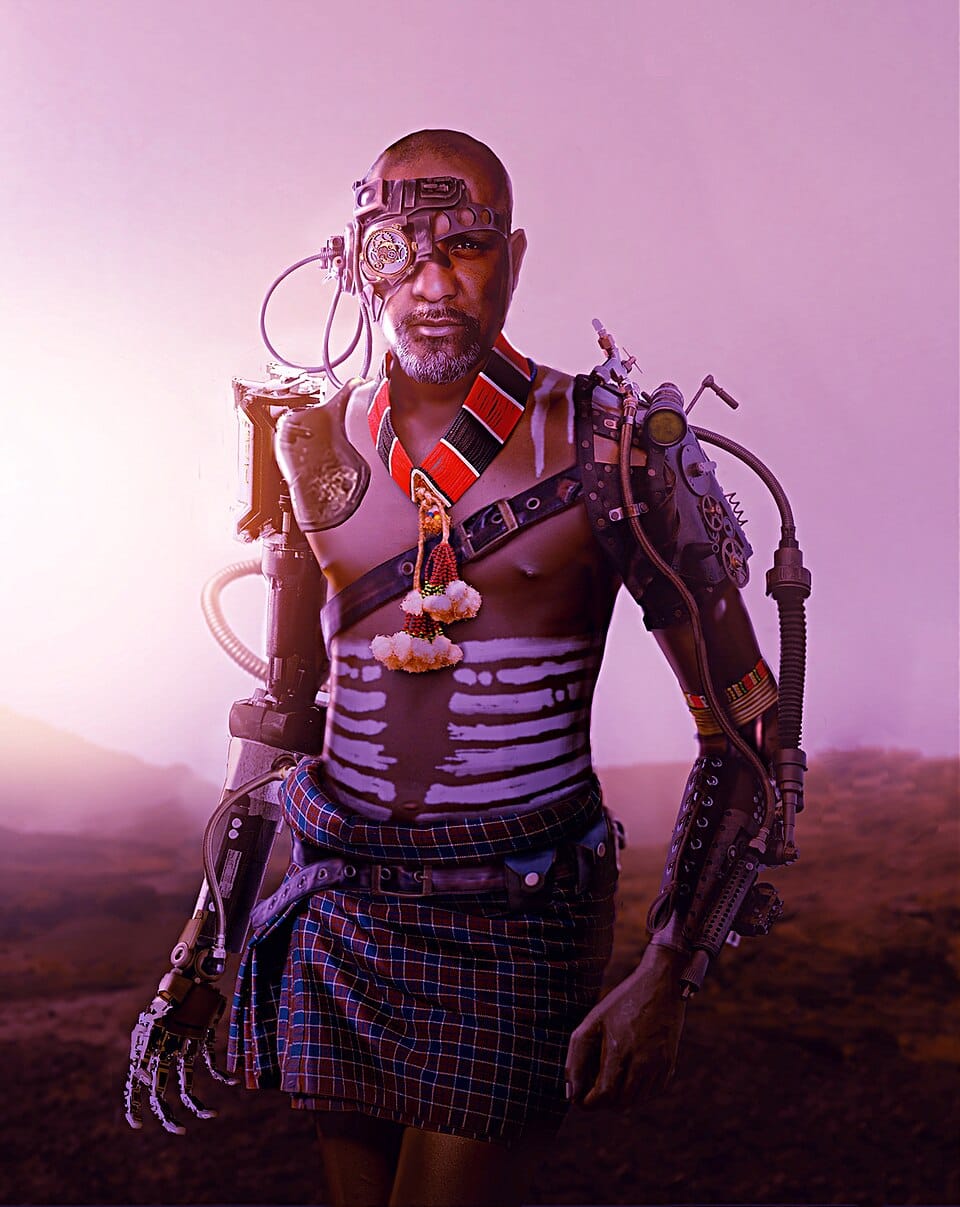
Solen Feyissa, Serengeti Cyborg, 2020; CC BY-SA 2.0, via Wikimedia Commons. Source: Serengeti Cyborg at Wikimedia Commons (from Flickr)

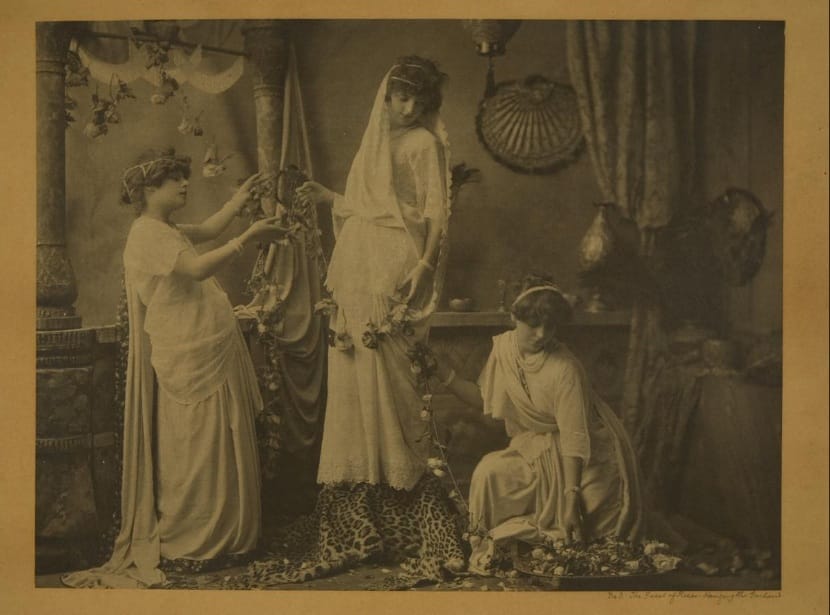
Shapoor N. Bhedwar, Hanging the Garland (The Feast of Roses), 1891. Asian Art Museum, San Francisco; Public Domain Mark via Wikimedia Commons. Source: The Feast of Roses: Hanging the Garland at Asian Art Museum, San Francisco (Collection of William K. Ehrenfeld, M.D., 2005.64.143)

Graphic abstraction
The world turned into black-and-white shapes: steep diagonals, flattened planes, silhouettes and cast shadows filling the frame, often with no recognisable subject, made with or without a camera (photograms, multiple exposures).
Styles built on it: Surrealist photography, New Vision, Provoke and are-bure-boke, Straight photography, Subjektive Fotografie, Fotoclubismo (Escola Paulista), Light painting photography and Chicago Institute of Design experimental photography.
Most used in the 1940s.
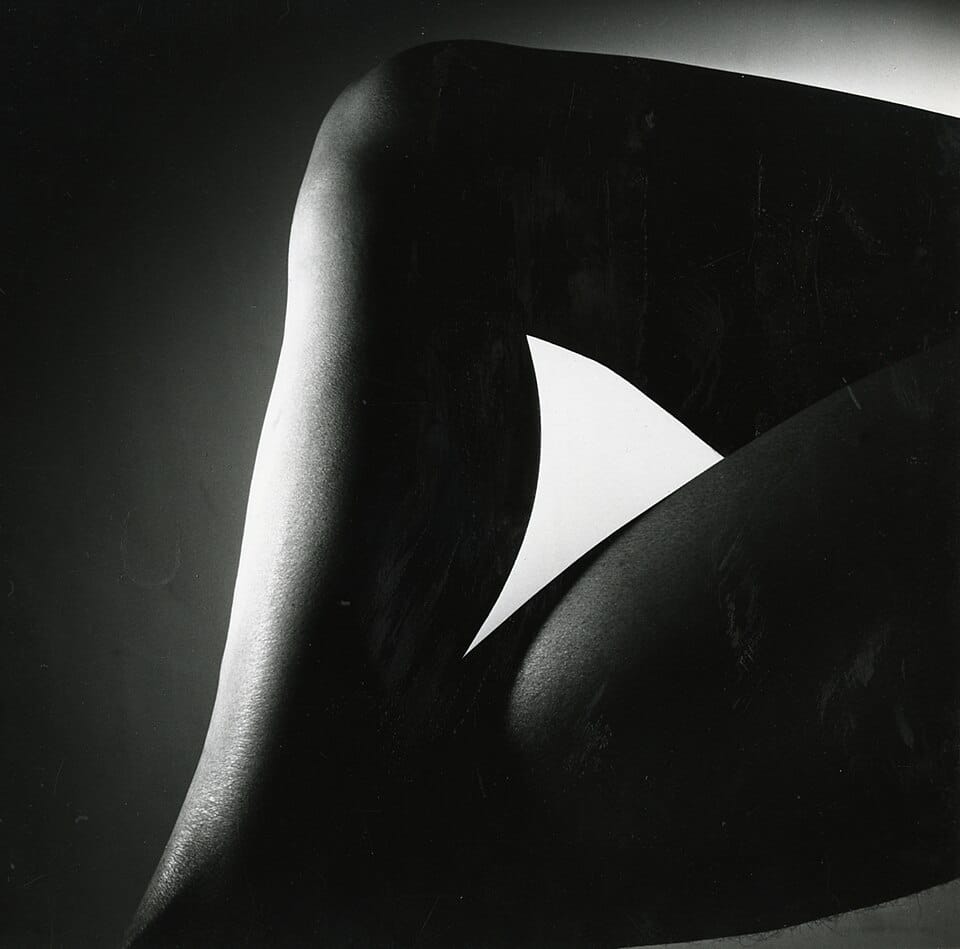
Paolo Monti, Serie fotografica (Italia, 1960). BEIC, Fondo Paolo Monti, CC BY-SA 4.0, via Wikimedia Commons. Source: Serie fotografica (Italia, 1960) at Biblioteca Europea di Informazione e Cultura (BEIC), Milan, Fondo Paolo Monti (SER-s5010-0006542), via Wikimedia Commons

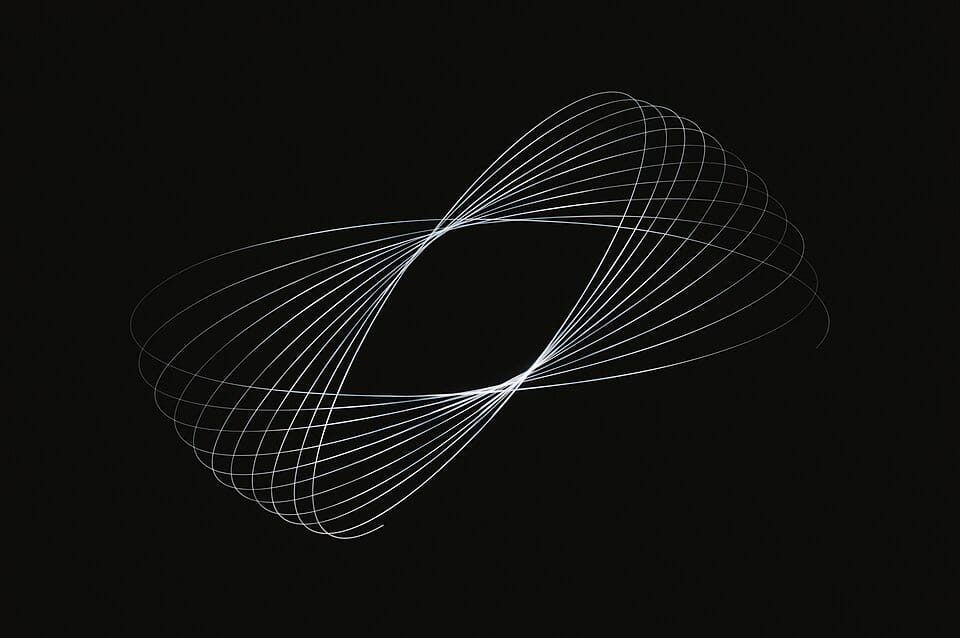
Subhrajyoti07, A bow tie shape created using light painting, 23 February 2018, Kolkata, India. Photographer's own work, via Wikimedia Commons, CC BY-SA 4.0. Source: A bow tie shape created using light painting at Wikimedia Commons, photographer's own work

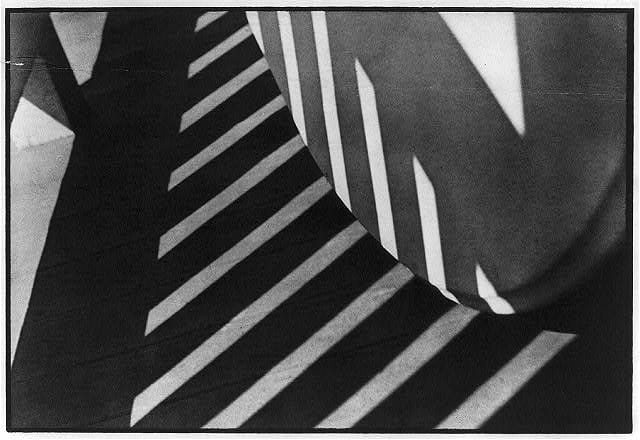
Paul Strand, Photograph, Camera Work no. 49/50, 1917. Library of Congress, Prints and Photographs Division (cph 3b10517); no known restrictions on publication. Source: Photograph (Abstraction, Porch Shadows) at Library of Congress, Prints and Photographs Division
Cinematic colour
Warm against cool: a teal-and-orange grade, golden hour and blue hour, practical lamps and neon mixed with the ambient light, in chosen locations layered in depth, captured clean and digital, often as a long exposure or an HDR blend.
Styles built on it: Staged tableau photography, New Color photography, Teal-and-orange cinematic look, Computational smartphone look (deep-focus HDR), Real-estate HDR and flambient interiors, Modernist architectural photography, Milky Way nightscape photography and Chongqing cyberpunk night photography.
Most used in the 2020s.
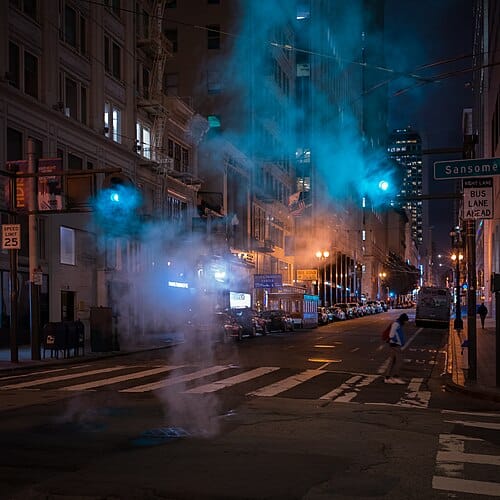
Frank Schulenburg, San Francisco, Sansome and Sutter at night, 2023. CC BY-SA 4.0, via Wikimedia Commons. Source: San Francisco, Sansome and Sutter at night at Wikimedia Commons

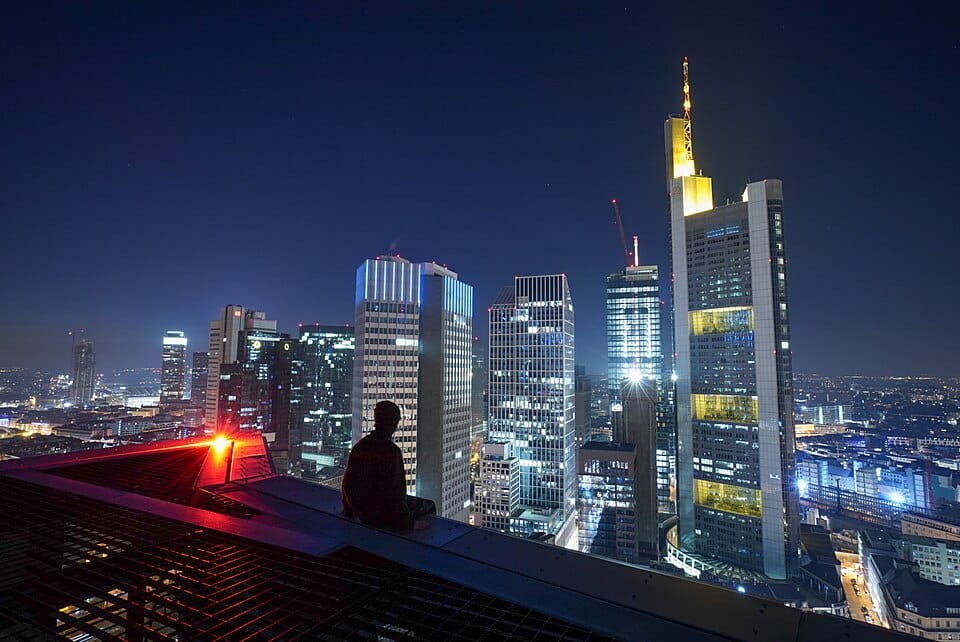
FreeclimbZurich, CC BY-SA 4.0, via Wikimedia Commons. Source: Rooftopper Winx Frankfurt at Wikimedia Commons

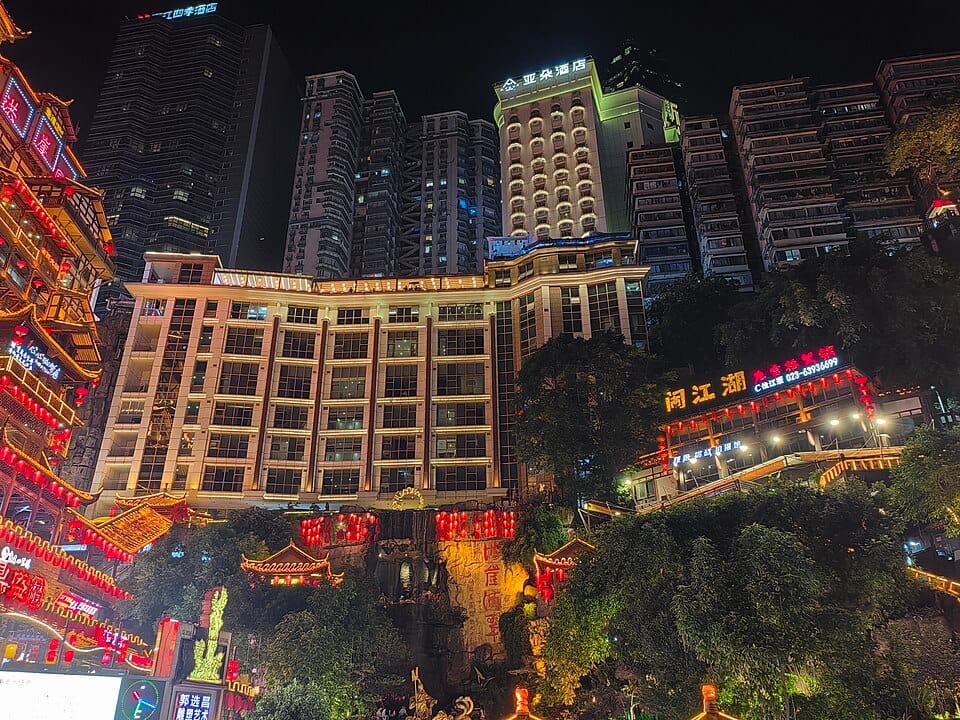
Yumeto, CC BY-SA 4.0, via Wikimedia Commons. Source: Hongyadong, 21 May 2025 at Wikimedia Commons

Glamour studio
Fashion and the face, fully art-directed: designer clothes, glamour make-up, soft studio light with gloss on skin and fabric, turned three-quarter or in profile, and heavily retouched.
Styles built on it: Postwar couture fashion photography, New Black Vanguard fashion portraiture, Swinging London fashion photography, Street-style fashion photography, Modest fashion editorial, Pakistani lawn campaign photography, Flying-dress destination portraiture and Lagos contemporary portrait and fashion editorial.
Most used in the 2010s.
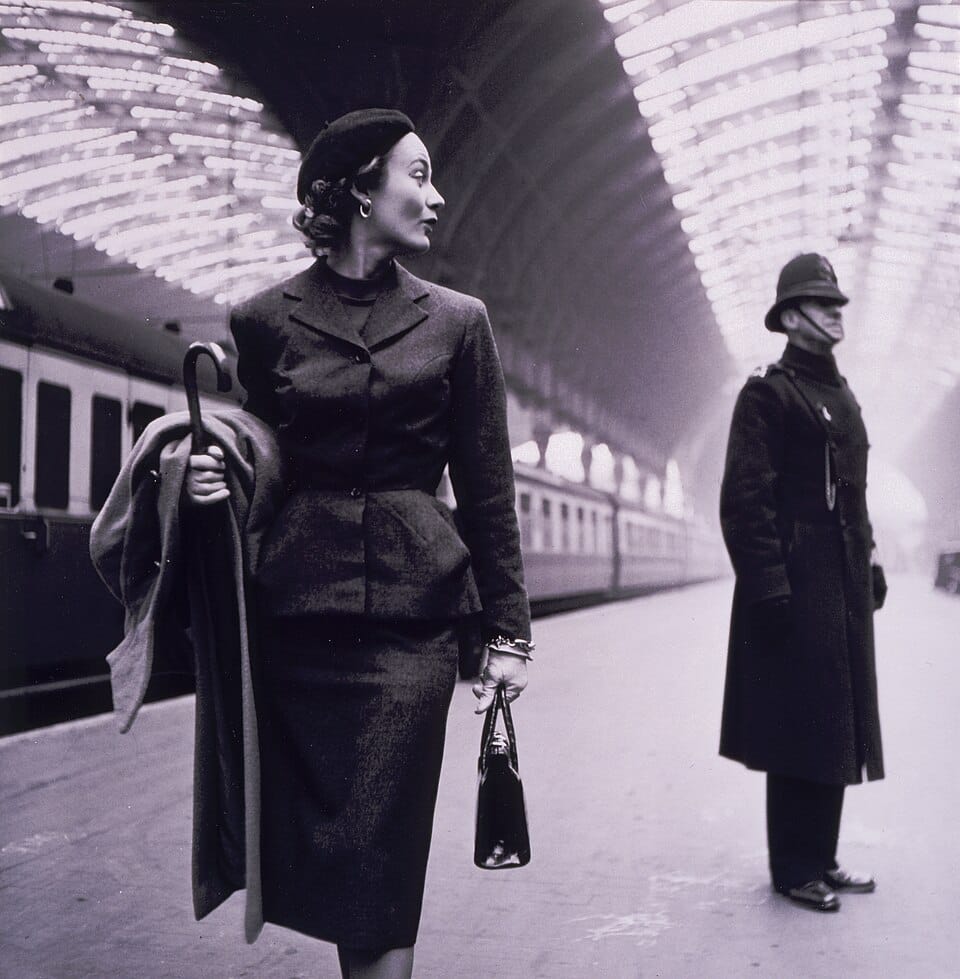
Toni Frissell, Lisa Fonssagrives at Paddington Station, London, 1951 (Harper's Bazaar). Library of Congress, LC-USZC4-4320 / negative LC-F9-01-5103-008-06; no known restrictions on publication. Wikimedia Commons, public domain (PD-Frissell). Source: Lisa Fonssagrives at Paddington Station, London at Library of Congress, Prints and Photographs Division (Toni Frissell Collection), via Wikimedia Commons

Bright selfie
Bright, high-key and pastel, held at arm’s length: smiles, photo gestures and playful faces, beautified by a phone’s filters and retouching.
Styles built on it: Y2K digicam and flash revival, VSCO film-preset look, Computational smartphone look (deep-focus HDR), BeReal dual-camera snapshot, Arab Spring citizen protest photography, Meitu beauty-app selfie, Forced-perspective tourist photography and Instagram baddie glamour.
Most used in the 2020s.
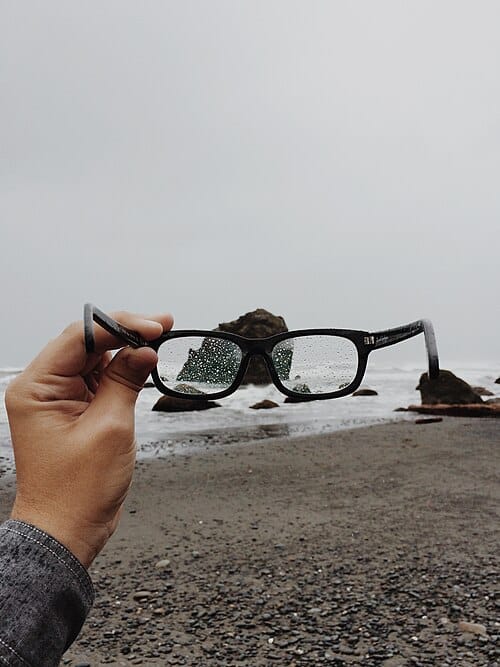
Startup Stock Photos / www.Pixel.la Free Stock Photos, Processed with VSCOcam, 2014. CC0, via Flickr and Wikimedia Commons. Source: Processed with VSCOcam (hand holding rain-spotted glasses on a grey beach) at Wikimedia Commons (from Flickr)

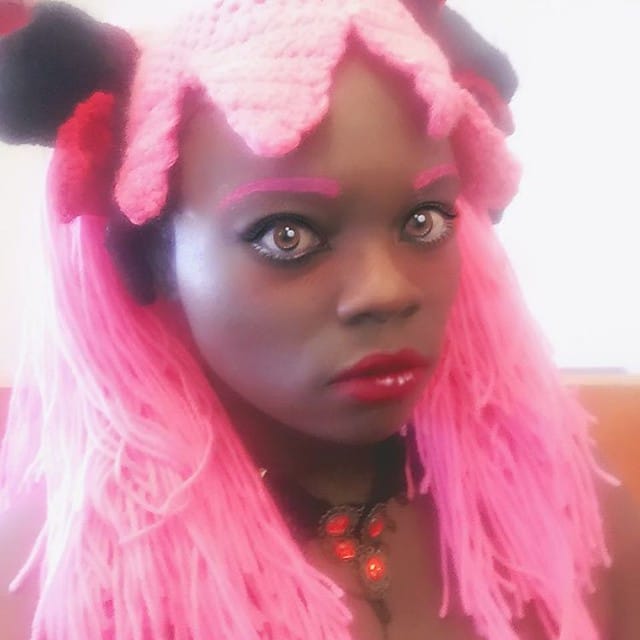
MikuMarmalade, BeautyPlus app filter, 2017. CC BY 2.0, via Flickr. Source: BeautyPlus app filter~ I especially like that fact that they have diverse skin tone filters. at Flickr
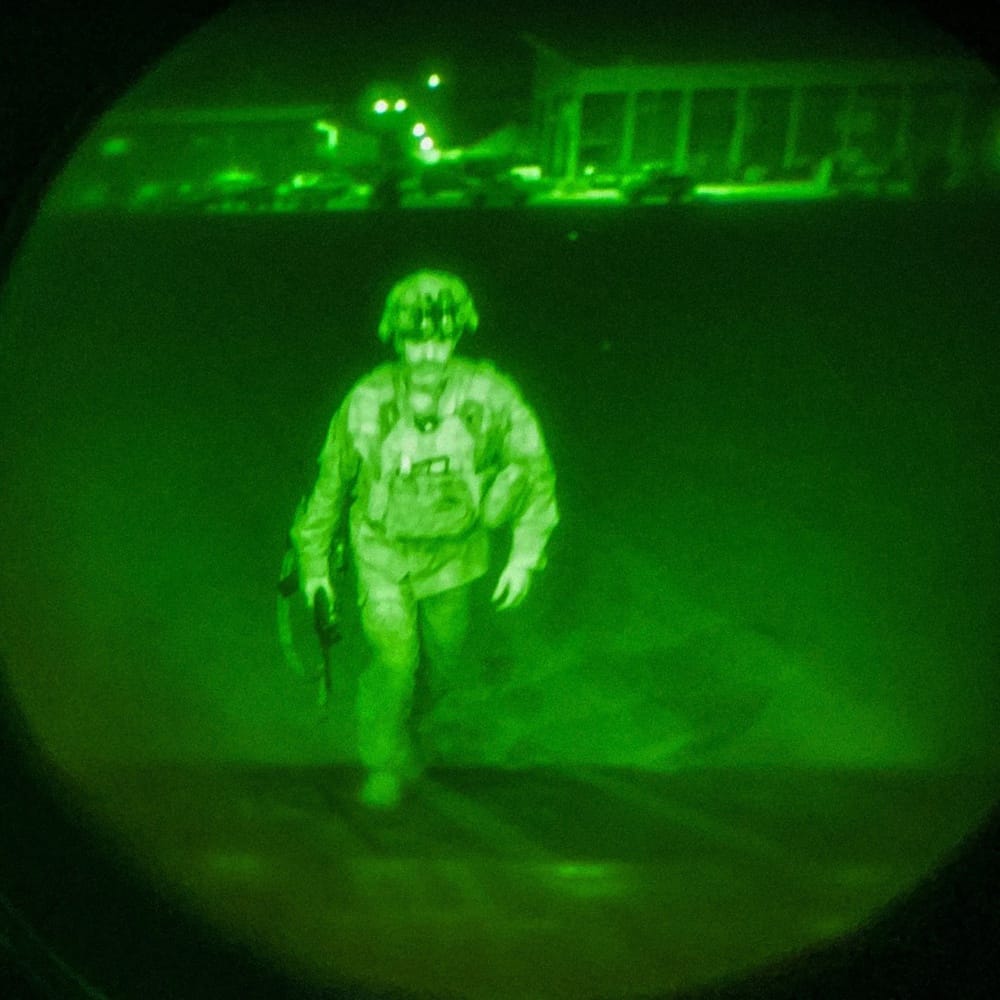
Master Sgt. Alexander Burnett, US Army, 30 August 2021, VIRIN 210830-A-UV471-201. DVIDS, listed as public domain. Source: Last American Soldier leaves Afghanistan at DVIDS (Defense Visual Information Distribution Service)
Sculpted glamour
The face made a star: three-point studio light with butterfly or Rembrandt shadows, a light on the background and a low-key ground, full glamour make-up, a smouldering look, graceful hands and a three-quarter turn, retouched smooth.
Styles built on it: Hollywood glamour portraiture, Cairo studio glamour portraiture, Sudanese studio glamour (1966–1983), Low-key pole and aerial studio photography, Brazilian vernacular fotopintura and Dakar studio portraiture.
Most used in the 1940s.
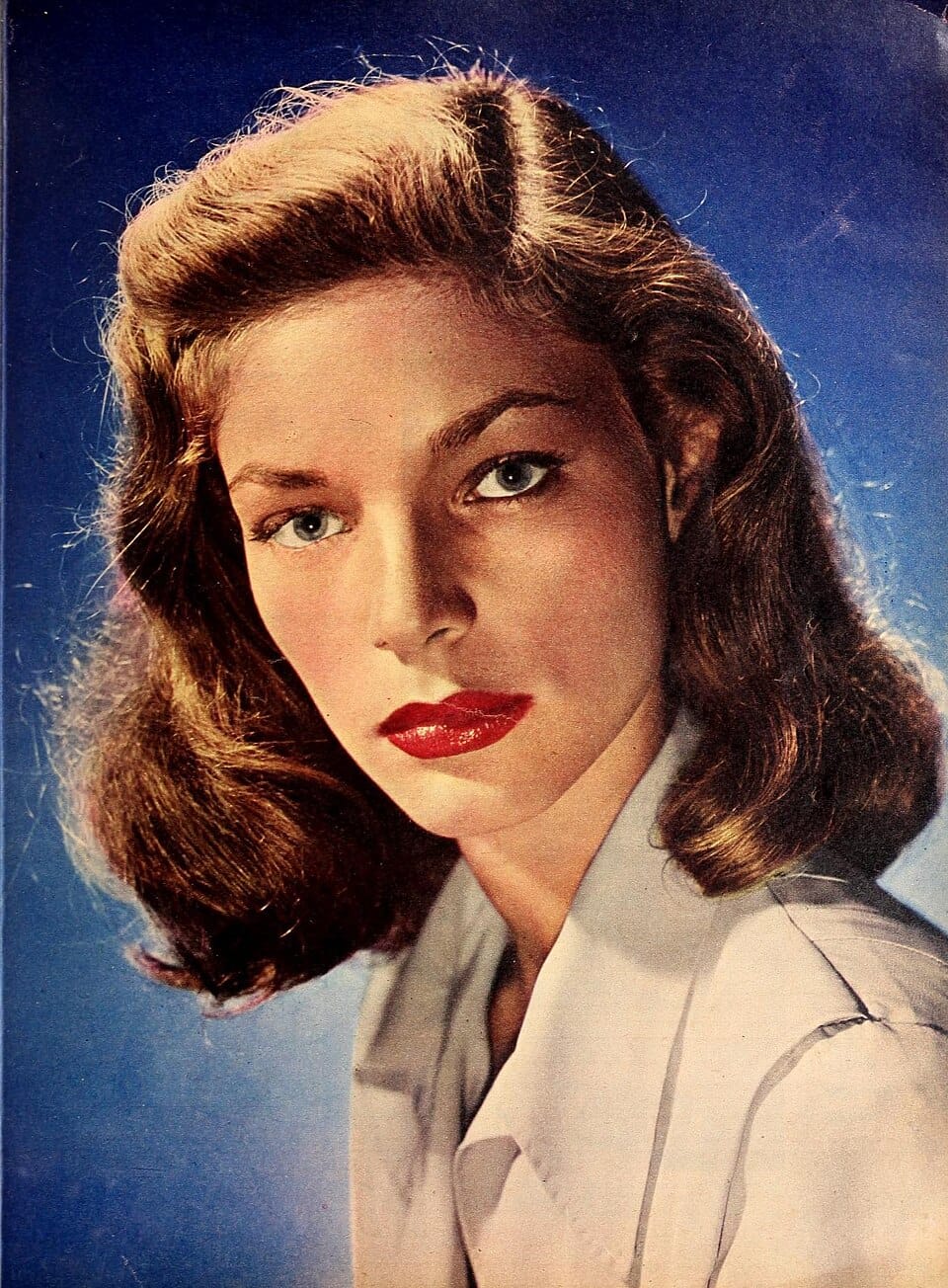
Laszlo Willinger, Lauren Bacall, Modern Screen, March 1946. Wikimedia Commons, public domain (PD-US-no notice). Source: Lauren Bacall at Wikimedia Commons (scan from Modern Screen, Internet Archive)

Gloss and curve
The body sold as glamour: full make-up, a smouldering look with the chin down and eyes up, a contrapposto, a reclining pose or a glance back over the shoulder, glossy highlights on skin and fabric, and heavy retouching.
Styles built on it: Glossy beauty retouch, Lingerie catalogue glamour photography, Instagram baddie glamour, Boudoir photography, Photographic pin-up (cheesecake) photography and Latex fetish fashion photography.
Most used in the 1990s.
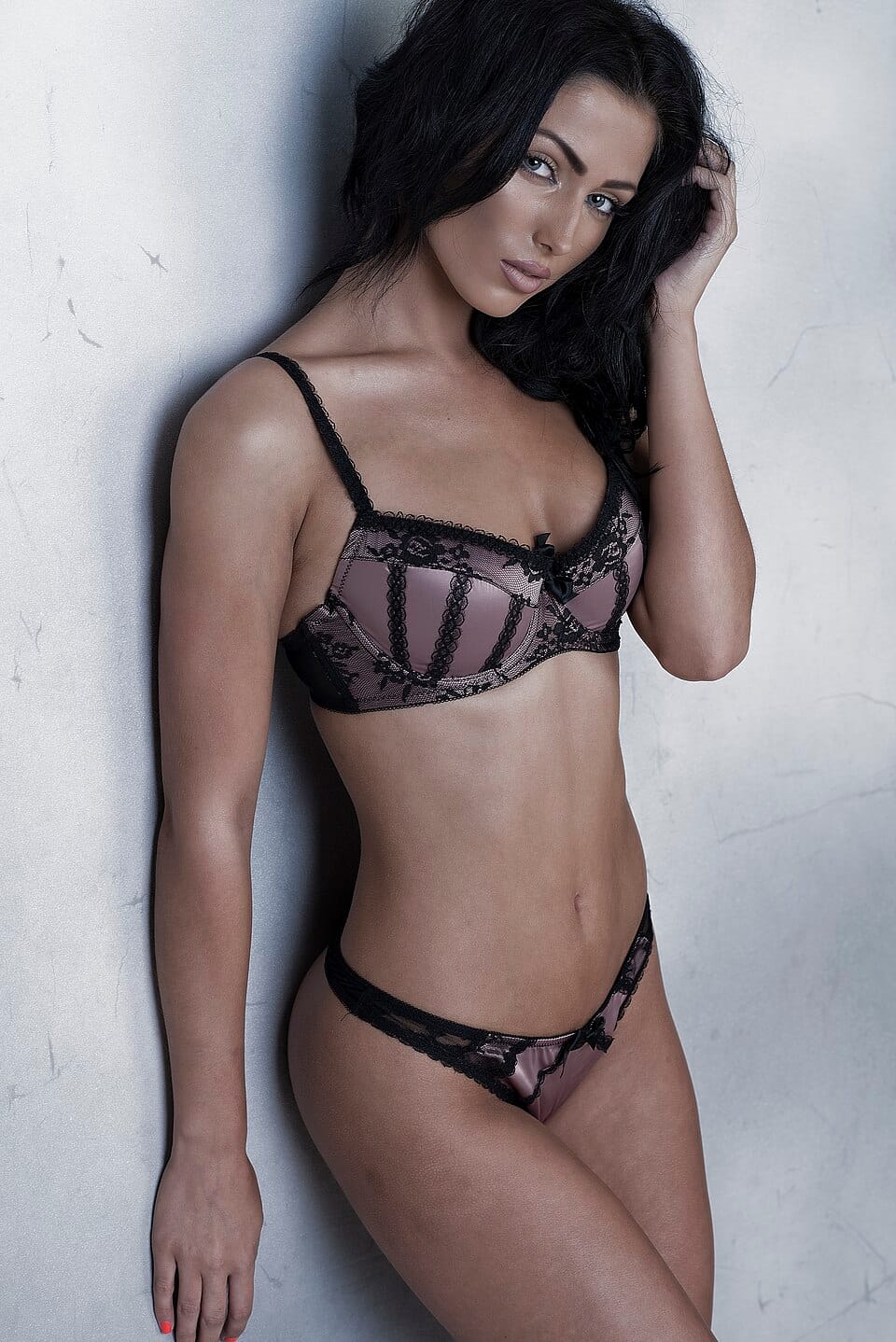
Lies Thru a Lens, Shelby (13272380765), 2013, CC BY 2.0, via Wikimedia Commons. Source: Shelby (13272380765) at Wikimedia Commons (from Flickr)

Laszlo Willinger, Lauren Bacall, Modern Screen, March 1946. Wikimedia Commons, public domain (PD-US-no notice). Source: Lauren Bacall at Wikimedia Commons (scan from Modern Screen, Internet Archive)
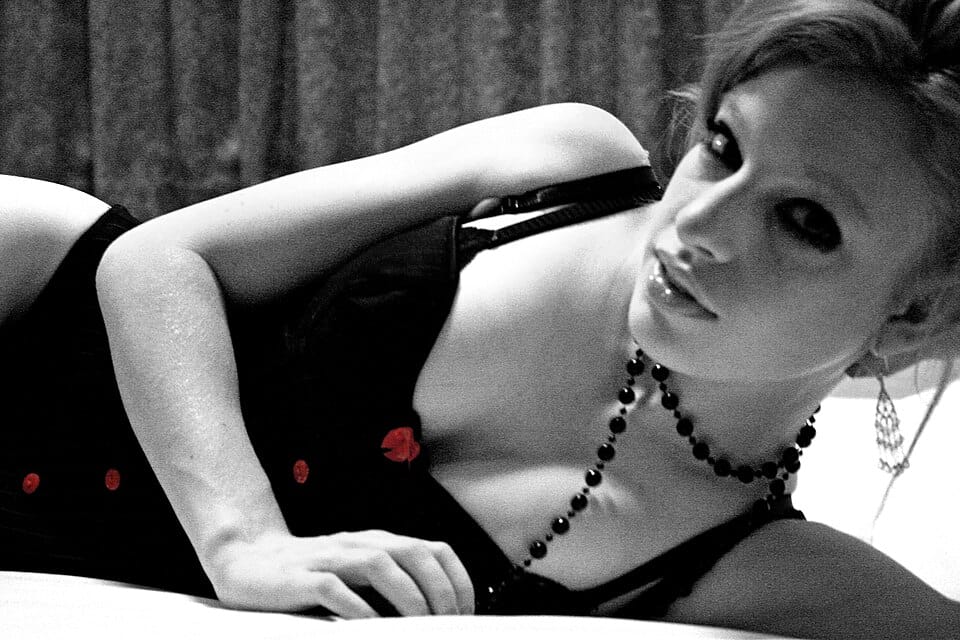
Laura Doherty, CC BY 2.0, via Wikimedia Commons. Source: Boudoir at Wikimedia Commons (from Flickr)

Clean packshot
A pristine object on a plain backdrop: soft studio light, edge lights and shaped reflections that draw its form, neutral colour and a clean, retouched finish without shadow.
Styles built on it: E-commerce packshot on white, Real-estate HDR and flambient interiors, Automotive rolling-shot photography, Dark-field glass still life, High-speed liquid-splash still life, IKEA catalogue room-set photography, Floating food photography and Corporate stock photography.
Most used in the 2020s.
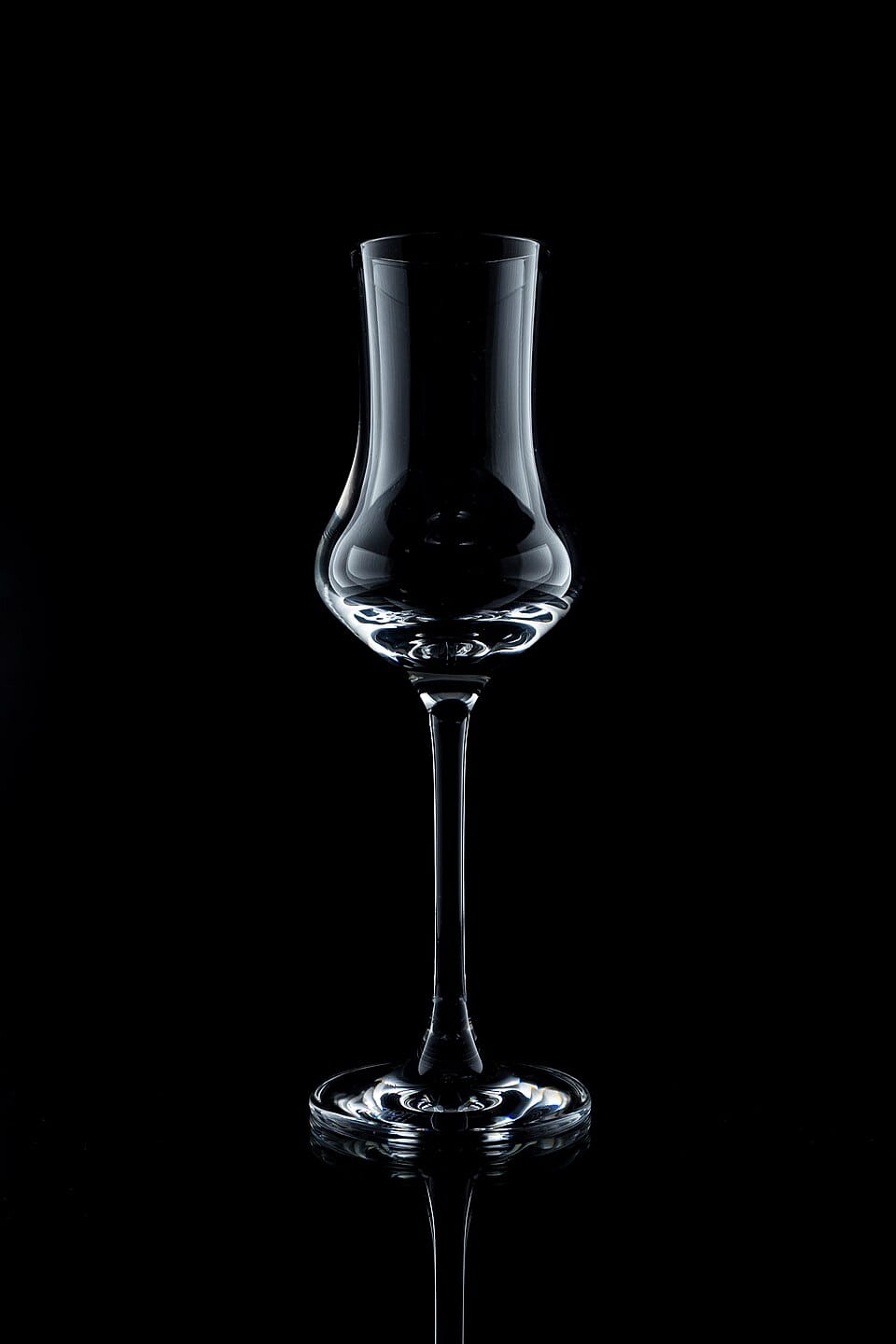
Ansgar Koreng, Drinking glass for Grappa, 2017, CC BY-SA 4.0, via Wikimedia Commons. Source: Drinking glass for Grappa at Wikimedia Commons

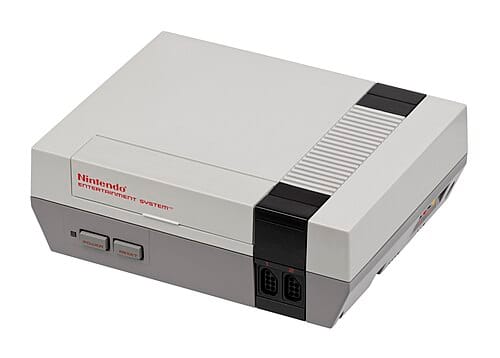
Evan-Amos, Nintendo Entertainment System console, 2016. Public domain (PD-self), via Wikimedia Commons. Source: Nintendo Entertainment System (NES) console, front left at Wikimedia Commons

Chive Cream Cheese, RisoArrangement, 2023. CC BY-SA 4.0, via Wikimedia Commons. Source: RisoArrangement (a knolling of the Print Gocco B6 set) at Wikimedia Commons
Cameraless still life
Things laid flat and seen straight down, often without a camera: photograms, X-rays and scans of plants and objects set out in order on a shadowless ground that fills the frame, sometimes with no recognisable subject.
Styles built on it: Flat lay, Botanical cyanotype photograms, Botanical radiographic still life, Chemigram abstraction, Natural-object scanography, False-colour thermal art photography and Czech avant-garde photography.
Most used in the 1840s.
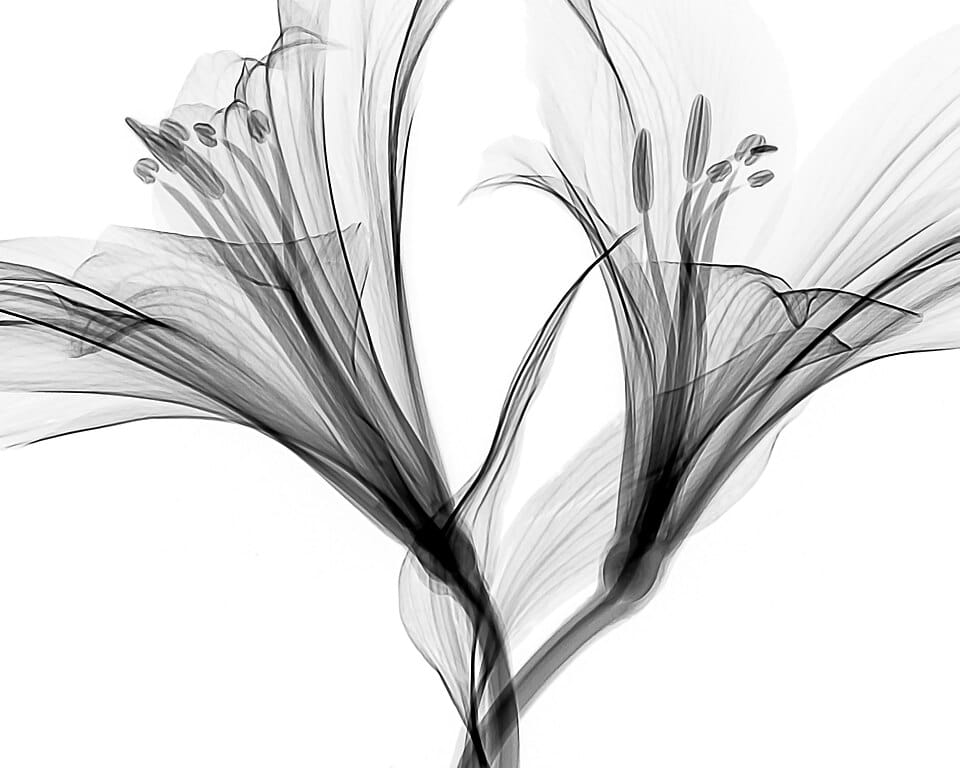
Cadop, Twin flower Xray, 2019, CC0, via Wikimedia Commons. Source: Twin flower Xray (macro X-ray of a flower) at Wikimedia Commons

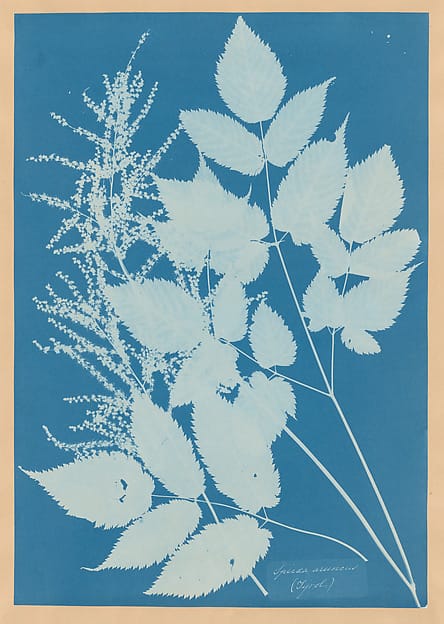
Anna Atkins, Spiraea aruncus (Tyrol), 1851-54. Cyanotype. The Metropolitan Museum of Art, Purchase, Alfred Stieglitz Society Gifts, 2004 (2004.172). Open Access. Source: Spiraea aruncus (Tyrol) at The Metropolitan Museum of Art
NordWood Themes, Clothing flatlay, 2016. CC0, via Unsplash and Wikimedia Commons. Source: Clothing flatlay at Wikimedia Commons (from Unsplash)
Stage light
The performer under the rig: twin edge lights and coloured gels cutting through smoke and beams, black all around, a stern or open face caught at the peak of the act.
Styles built on it: Concert and live-music photography, Dramatic sportrait photography, Afrofuturist staged photographic portraiture, Latex fetish fashion photography, Dark-field glass still life and K-pop fansite (homma) photography.
Most used in the 2020s.
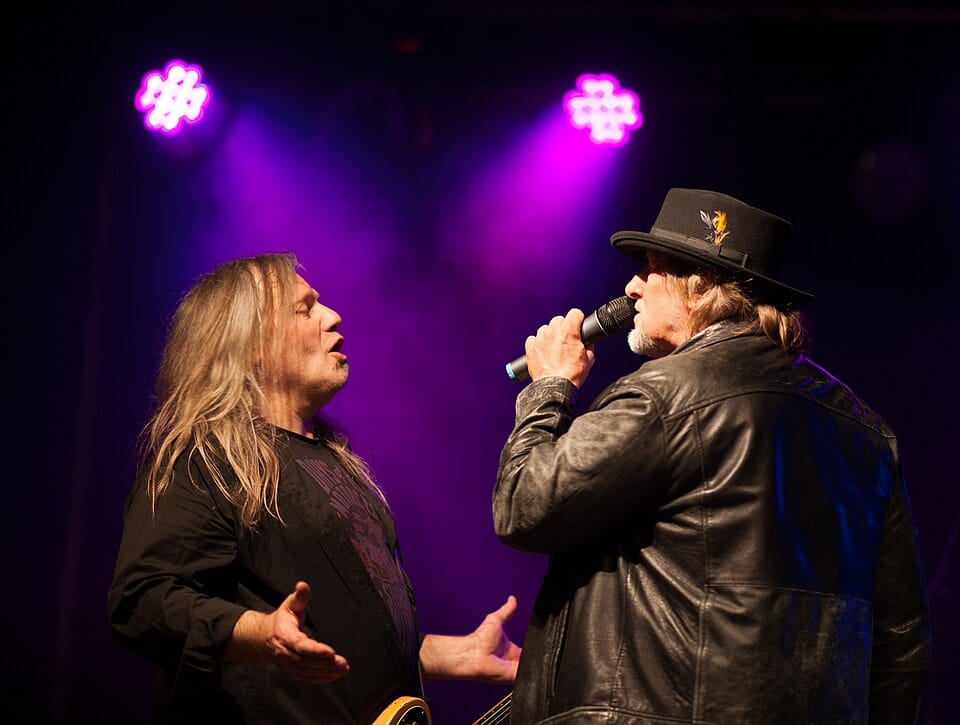
PtrQs, via Wikimedia Commons, CC BY-SA 4.0. Source: The Booze Band at the Magni Fest, Brunswick (DSC05312) at Wikimedia Commons

Albumen view
The nineteenth-century print made for travellers, collectors and courts: salt and albumen prints, toned warm and often faded, buildings, landscapes and costumed sitters seen from a distance and catalogued as series, titled on the print or its mount.
Styles built on it: Calotype and paper-negative photography, Carte-de-visite studio portraits, Yokohama photography, Victorian combination printing, Siamese court and Bangkok studio photography, Stereograph (stereoscopic card) photography, Levantine Orientalist studio photography and Ottoman imperial studio photography (Pera).
Most used in the 1870s.
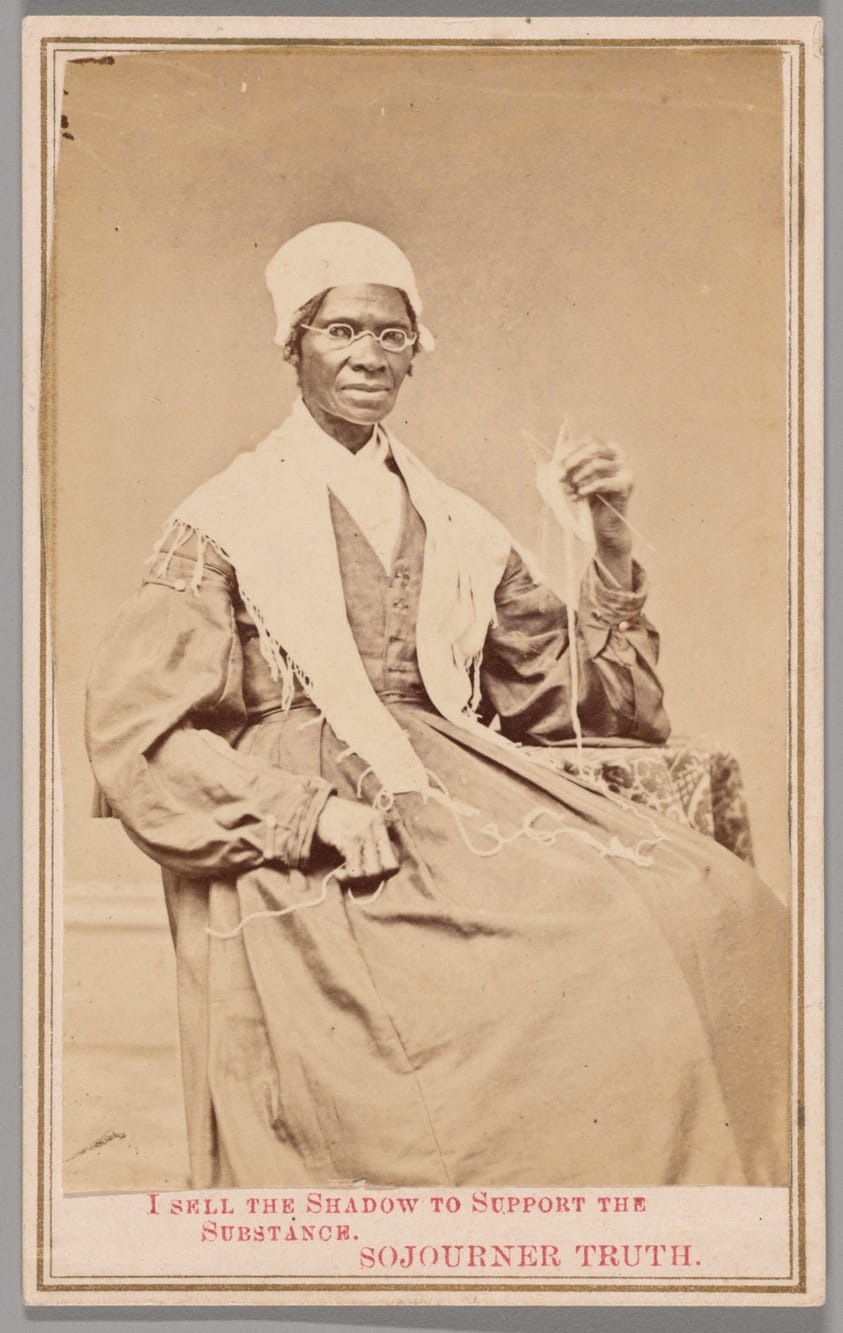
Sojourner Truth with S. C. Wright, Untitled ("I Sell the Shadow to Support the Substance"), 1864–65. Art Institute of Chicago, Gift of W. Bruce and Delaney H. Lundberg. Source: Untitled ("I Sell the Shadow to Support the Substance") at Art Institute of Chicago
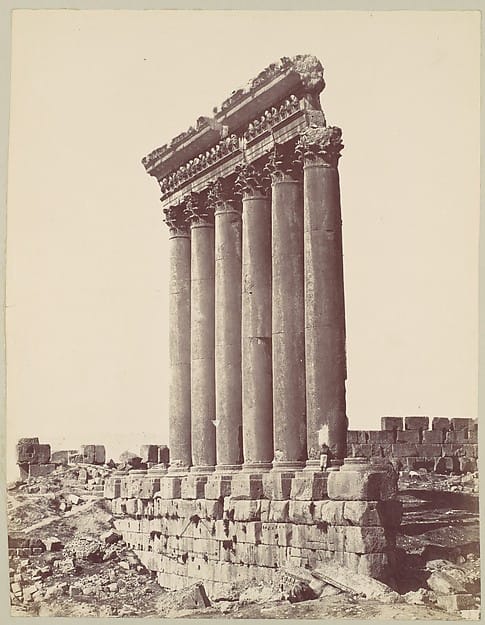
Félix Bonfils, The Temple of the Sun at Baalbec, ca. 1870. The Metropolitan Museum of Art, Gift of Douglas Dillon, 1981 (1981.1128.1). Source: The Temple of the Sun at Baalbec at The Metropolitan Museum of Art
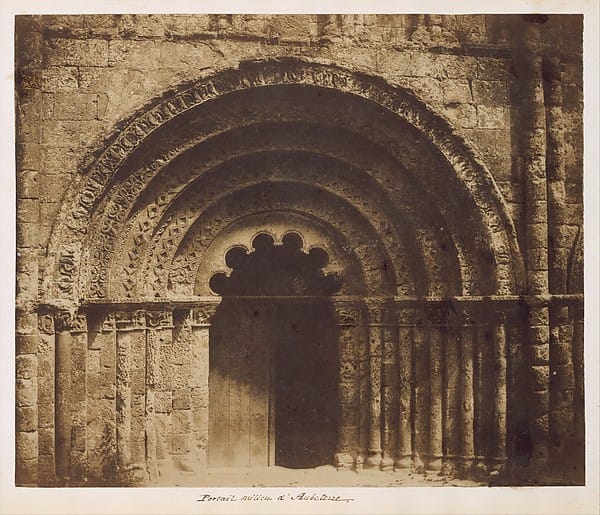
Gustave Le Gray, Portail milieu d'Aubeterre, 1851. The Metropolitan Museum of Art, Edward Pearce Casey Fund, 1991. Source: Portail milieu d'Aubeterre at The Metropolitan Museum of Art
Painted over
The photograph as a ground to work on: hand-coloured, painted, scratched or drawn on, found and re-photographed, cut into montages with text and graphics, retouched until flat.
Styles built on it: Kharkiv School of Photography, Indian painted photographs, Yokohama photography, Mexican fotoescultura portraiture, Brazilian vernacular fotopintura, Australian feminist handcoloured photography, Cultural Revolution studio souvenir portraiture and Peranakan studio portraiture (Straits Chinese).
Most used in the 1900s.
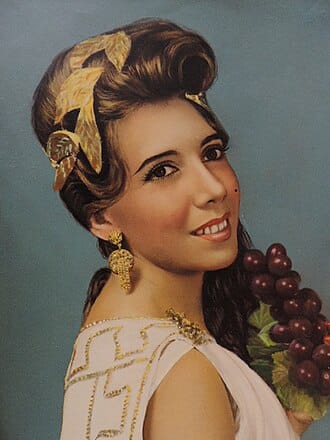
Telma Saraiva, Arquivo pessoal de Telma Saraiva, via Wikimedia Commons, CC BY-SA 3.0. Source: Autorretrato de Telma Saraiva, 1968 (fotopintura) at Wikimedia Commons, from the personal archive of Telma Saraiva

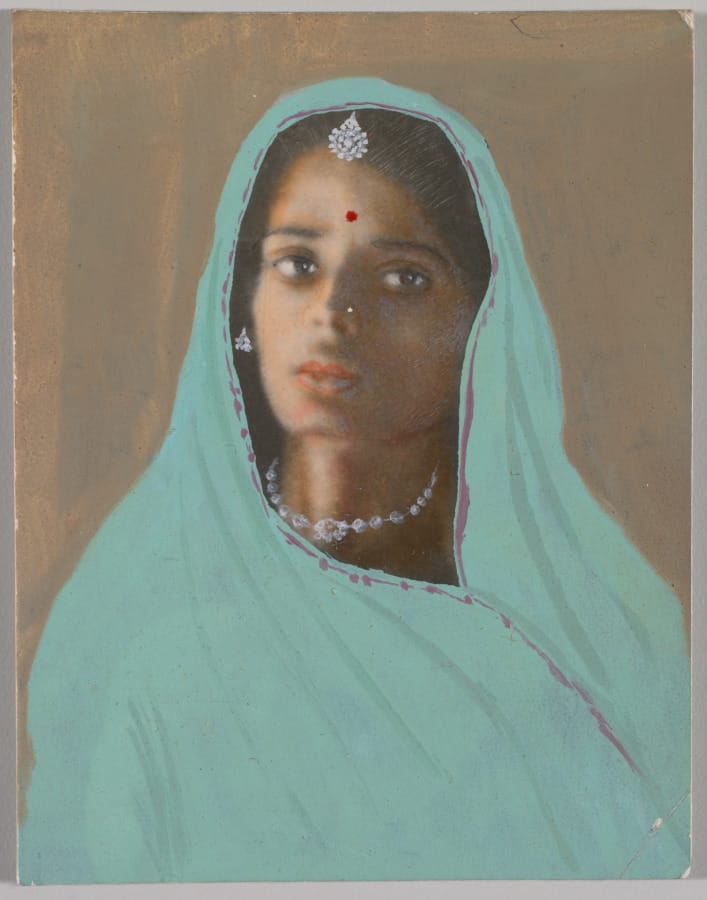
Untitled (Portrait of a Woman in Blue Sari and Veil), India, 20th century. The Cleveland Museum of Art, John Cook Memorial Fund, 2017.10. Source: Untitled (Portrait of a Woman in Blue Sari and Veil) at The Cleveland Museum of Art
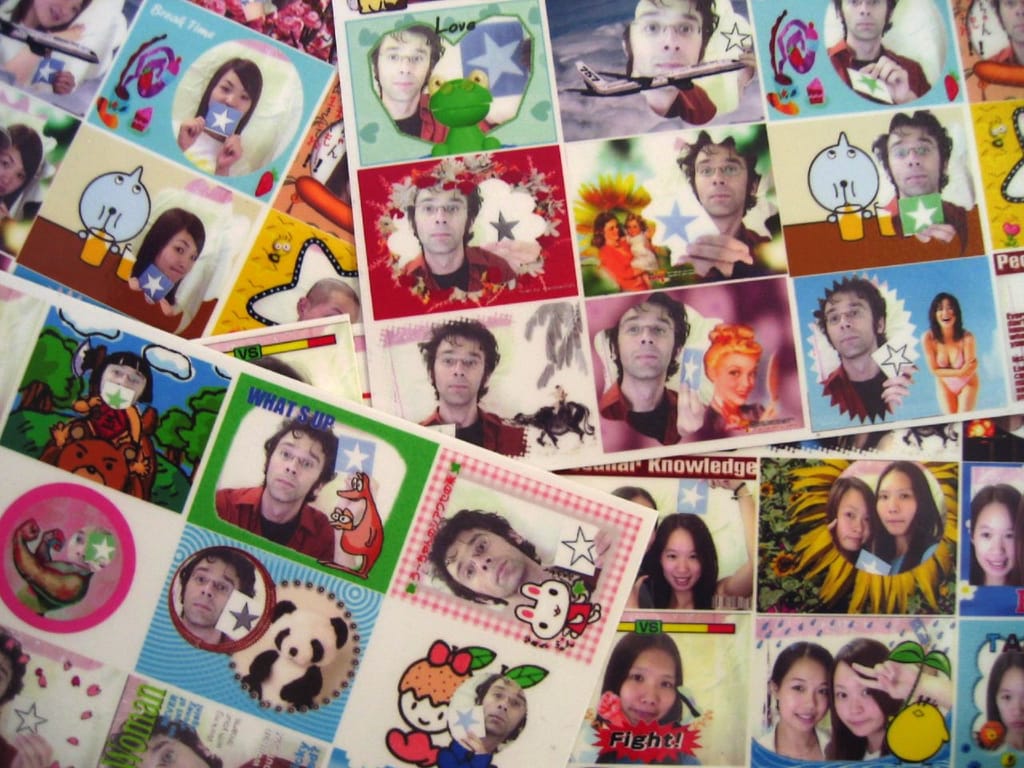
Kevin Slavin (slavin_fpo), Purikura, 13 August 2005, CC BY 2.0, via Wikimedia Commons. Source: Purikura sticker sheets (caption: testing puri kura for 'superstar' big game, Tokyo) at Wikimedia Commons (from Flickr)

Combinations nobody has made yet
Two systems that no style puts together. Start from the two styles that stand for them, keep what defines each, and see what gives.
-
Shixart1985, Fresh cut beef on a black plate surrounded by herbs and spices, 2025. CC BY 2.0, via Wikimedia Commons. Source: Fresh cut beef on a black plate surrounded by herbs and spices at Wikimedia Commons
Telma Saraiva, Arquivo pessoal de Telma Saraiva, via Wikimedia Commons, CC BY-SA 3.0. Source: Autorretrato de Telma Saraiva, 1968 (fotopintura) at Wikimedia Commons, from the personal archive of Telma Saraiva
Styled tabletop with Painted over
Start from Dark and moody food photography and Purikura photo-sticker booth.
-
Unknown artist, Overpainted photograph of Maharaja Mohinder Singh of Patiala enthroned, late 19th century. Kenneth Robbins Collection; ACSAA slide 15084, via Wikimedia Commons (public domain). Source: Overpainted photograph of Maharaja Mohinder Singh of Patiala (or his son Rajendra Singh) enthroned at Wikimedia Commons (ACSAA slide of the Kenneth Robbins Collection, University of Michigan Visual Resources Collections)
Frank Schulenburg, San Francisco, Sansome and Sutter at night, 2023. CC BY-SA 4.0, via Wikimedia Commons. Source: San Francisco, Sansome and Sutter at night at Wikimedia Commons
Painted studio with Cinematic colour
Start from Carte-de-visite studio portraits and Teal-and-orange cinematic look. The closest style so far is Peranakan studio portraiture (Straits Chinese).
-
Frank Schulenburg, San Francisco, Sansome and Sutter at night, 2023. CC BY-SA 4.0, via Wikimedia Commons. Source: San Francisco, Sansome and Sutter at night at Wikimedia Commons
Telma Saraiva, Arquivo pessoal de Telma Saraiva, via Wikimedia Commons, CC BY-SA 3.0. Source: Autorretrato de Telma Saraiva, 1968 (fotopintura) at Wikimedia Commons, from the personal archive of Telma Saraiva
Cinematic colour with Painted over
Start from Teal-and-orange cinematic look and Purikura photo-sticker booth. The closest style so far is Chongqing cyberpunk night photography.
-
Paolo Monti, Serie fotografica (Italia, 1960). BEIC, Fondo Paolo Monti, CC BY-SA 4.0, via Wikimedia Commons. Source: Serie fotografica (Italia, 1960) at Biblioteca Europea di Informazione e Cultura (BEIC), Milan, Fondo Paolo Monti (SER-s5010-0006542), via Wikimedia Commons
PtrQs, via Wikimedia Commons, CC BY-SA 4.0. Source: The Booze Band at the Magni Fest, Brunswick (DSC05312) at Wikimedia Commons
Graphic abstraction with Stage light
Start from Subjektive Fotografie and Latex fetish fashion photography. The closest style so far is Concert and live-music photography.
-
Laszlo Willinger, Lauren Bacall, Modern Screen, March 1946. Wikimedia Commons, public domain (PD-US-no notice). Source: Lauren Bacall at Wikimedia Commons (scan from Modern Screen, Internet Archive)
PtrQs, via Wikimedia Commons, CC BY-SA 4.0. Source: The Booze Band at the Magni Fest, Brunswick (DSC05312) at Wikimedia Commons
Sculpted glamour with Stage light
Start from Hollywood glamour portraiture and Latex fetish fashion photography.
-
Toni Frissell, Lisa Fonssagrives at Paddington Station, London, 1951 (Harper's Bazaar). Library of Congress, LC-USZC4-4320 / negative LC-F9-01-5103-008-06; no known restrictions on publication. Wikimedia Commons, public domain (PD-Frissell). Source: Lisa Fonssagrives at Paddington Station, London at Library of Congress, Prints and Photographs Division (Toni Frissell Collection), via Wikimedia Commons
Sojourner Truth with S. C. Wright, Untitled ("I Sell the Shadow to Support the Substance"), 1864–65. Art Institute of Chicago, Gift of W. Bruce and Delaney H. Lundberg. Source: Untitled ("I Sell the Shadow to Support the Substance") at Art Institute of Chicago
Glamour studio with Albumen view
Start from Postwar couture fashion photography and Carte-de-visite studio portraits. The closest style so far is Pakistani lawn campaign photography.
How the systems were found
Every style in Lumogeny is described by its choices: subject, pose, light, lens, viewpoint, colour, process and finish. The systems are the choices that turn up together across many styles, including styles that don’t descend from each other. A choice nearly every style makes, such as shooting at eye level, counts for little; a rare one counts for more. Each system came back in most of twenty reruns with a fifth of the styles left out at random. The photographs are museum pieces in which at least three of a system’s six main choices can be seen.